Disclosure: This article may contain affiliate links. If you click a link and make a purchase, we may receive a commission at no additional cost to you. All opinions remain our own.
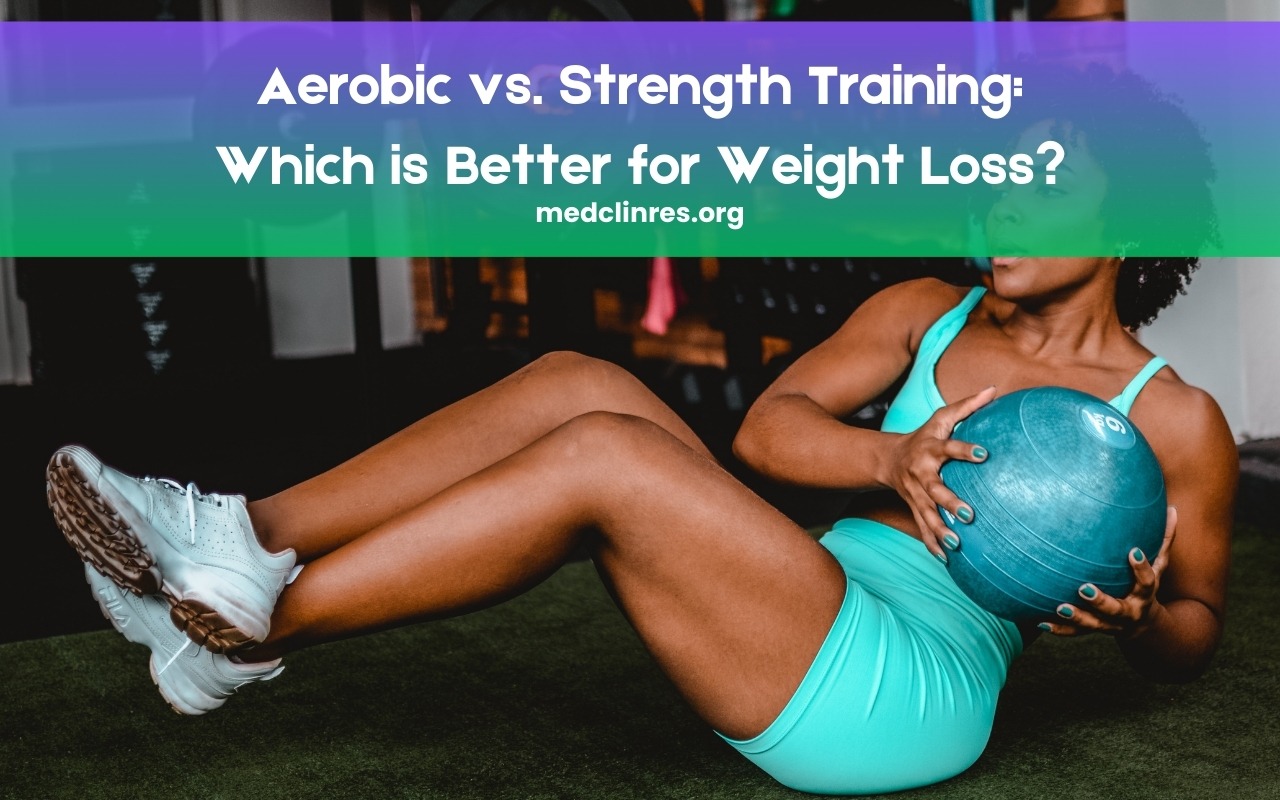
This type of schedule allows individuals to build strength while also engaging in aerobic activities that boost cardiovascular health and calorie burning. High-Intensity Interval Training (HIIT) can be a particularly effective way to combine the benefits of both forms of exercise. HIIT consists of short bursts of intense exercise alternated with brief recovery periods, promoting significant calorie burn in a shorter time frame. Studies have indicated that HIIT can be as effective as traditional steady-state cardio for fat loss, making it a popular choice for those looking to maximize their workouts.
Tips for Getting Started
Starting a new exercise routine can be daunting, but with the right approach, it can also be invigorating and enjoyable. Here are some tips for getting started with aerobic and strength training:
- Set Clear Goals: Identify specific, measurable, achievable, relevant, and time-bound (SMART) goals. Whether it's losing a specific number of pounds or completing a certain number of workouts per week, having clear objectives can motivate progress.
- Start Slowly: For beginners, it's essential to ease into a new routine. Gradually increasing the intensity and duration of workouts can help prevent injury and build endurance over time.
- Find Enjoyable Activities: Choose exercises that spark enjoyment. Consistency is key to long-term success, and selecting workouts that align with personal preferences enhances adherence to a fitness regimen.
- Mix It Up: Incorporating a variety of workouts can prevent boredom and keep motivation high. Try different forms of cardio, such as dancing, cycling, or swimming, alongside various strength training exercises.
- Prioritize Recovery: Allow time for rest and recovery, especially after intense workouts. Muscles need time to heal and grow stronger, and neglecting recovery can lead to burnout or injury.
- Consult Professionals: For those uncertain about how to begin, seeking guidance from a personal trainer or fitness professional can provide valuable insight and tailored recommendations.
The Importance of Nutrition
Exercise, whether aerobic or strength-based, is only one piece of the weight loss puzzle. Nutrition plays a vital role in supporting exercise efforts and enhancing results. A balanced diet that includes lean proteins, healthy fats, and whole carbohydrates promotes optimal performance and recovery.
Protein intake, in particular, is crucial for individuals engaging in strength training, as it aids in muscle repair and growth. Health experts recommend that individuals looking to lose weight and build muscle incorporate adequate high-quality protein sources into their meals, aligning with their daily caloric needs.
Moreover, staying hydrated is essential for maximizing exercise performance. Water supports essential bodily functions and helps maintain energy levels during workouts. Adequate hydration can also improve metabolic processes, ensuring that the body operates efficiently throughout the day.
Psychological Benefits of Exercise
Beyond physical benefits, both aerobic and strength training can significantly impact mental well-being. Exercise has been shown to reduce anxiety, combat depression, and enhance mood through the release of endorphins. This emotional support is particularly valuable for individuals navigating the challenges of weight loss, as it fosters a positive mindset and encourages perseverance in the face of setbacks.
Additionally, regular exercise can boost self-esteem and body image. As individuals begin to notice changes in their bodies and overall fitness levels, they often experience increased confidence and pride in their accomplishments. This psychological uplift can further encourage adherence to fitness goals and promote a healthier lifestyle.
Conclusion
When considering the best approach for weight loss, both aerobic and strength training offer valuable benefits that contribute to achieving personal fitness goals. Aerobic exercise excels in immediate calorie burning and cardiovascular health, while strength training shines in building and preserving muscle mass, leading to enhanced metabolism and long-term fat loss.
Ultimately, the most effective strategy for weight loss may involve a combination of both modalities. By integrating diverse workouts into their routines, individuals can enjoy the benefits of improved heart health, increased muscle, and a more sustainable approach to weight management. With a clear vision of their goals and a commitment to regular exercise, anyone can embark on a rewarding journey toward improved health and well-being.
For more detailed information on exercise guidelines, consider visiting the CDC Physical Activity Guidelines and exploring the comprehensive advice from the American College of Sports Medicine on incorporating fitness into daily life.
Related Articles
- Natural GLP-1 & GIP Mimetics: Can They Support Healthy…
- The Connection Between Mental Health and Weight Loss Success
- Why Sleep is Critical for Healthy Weight Loss
- Understanding the Glycemic Index: A Tool for Weight Manageme…
*These statements have not been evaluated by the Food and Drug Administration. This product is not intended to diagnose, treat, support, or prevent any disease. Always consult with a qualified healthcare professional before starting any new supplement or health program, especially if you have existing medical conditions or take prescription medications.
This article is for general information purposes only and does not constitute medical advice. Consult your doctor or qualified healthcare provider before making changes to your health routine.
Related guides
- Why Resistance Training is Essential for Long-Term Weight Loss
- Tirzepatide vs Semaglutide for Weight Loss: What Clinical Research Reveals About These GLP-1 Medications
- Pink Salt Trick for Weight Loss: Why Women Are Pairing It with ProZenith in 2025
- The Chinese Weight Loss Tea Trick: Cultural Tradition Meets Clinical Curiosity