In an age where health and wellness dominate the conversation, detox supplements have surged in popularity, luring many with promises of a cleaner, healthier body. These supplements often present themselves as quick solutions to rid the body of toxins, enhance energy levels, and promote overall well-being. However, amidst the allure of detoxification claims lies a complex web of science, marketing, and consumer expectations. Understanding the efficacy and safety of detox supplements requires delving into how the body detoxifies naturally, the prevailing myths surrounding detoxification, and the realities of the supplements that populate health stores and online platforms.
The concept of detoxification is not new; it has ancient roots in various cultural practices aimed at promoting health and wellness. However, the modern interpretation of detoxification often blurs the line between evidence-based practices and commercial interests. In this article, we will explore the science behind detox supplements, the body’s natural detoxification processes, and whether these products truly deliver on their promises.
Understanding Detoxification
To evaluate the claims of detox supplements, it's essential first to grasp what detoxification entails. Detoxification is the body’s natural process of eliminating toxins, which are harmful substances that can interfere with normal bodily functions. This process occurs primarily through the liver, kidneys, digestive system, lungs, and skin. Each of these organs plays a pivotal role in filtering out toxins and waste materials, allowing the body to maintain homeostasis.
The liver is often referred to as the body's primary detoxification organ. It processes substances absorbed from the digestive tract, transforming them into less harmful compounds that can be excreted. Through a series of metabolic reactions, known as biotransformation, the liver converts these toxins into water-soluble substances that are easier for the kidneys to filter and excrete through urine. Meanwhile, the intestines aid in eliminating waste through feces, and the skin expels toxins through sweat.
The body’s ability to detoxify itself is influenced by various factors, including diet, genetics, age, and overall health. For instance, a nutrient-rich diet provides the necessary vitamins, minerals, and antioxidants that support enzymatic reactions crucial for detoxification. Conversely, poor dietary habits can impair these processes and lead to a buildup of harmful substances.
The Appeal of Detox Supplements
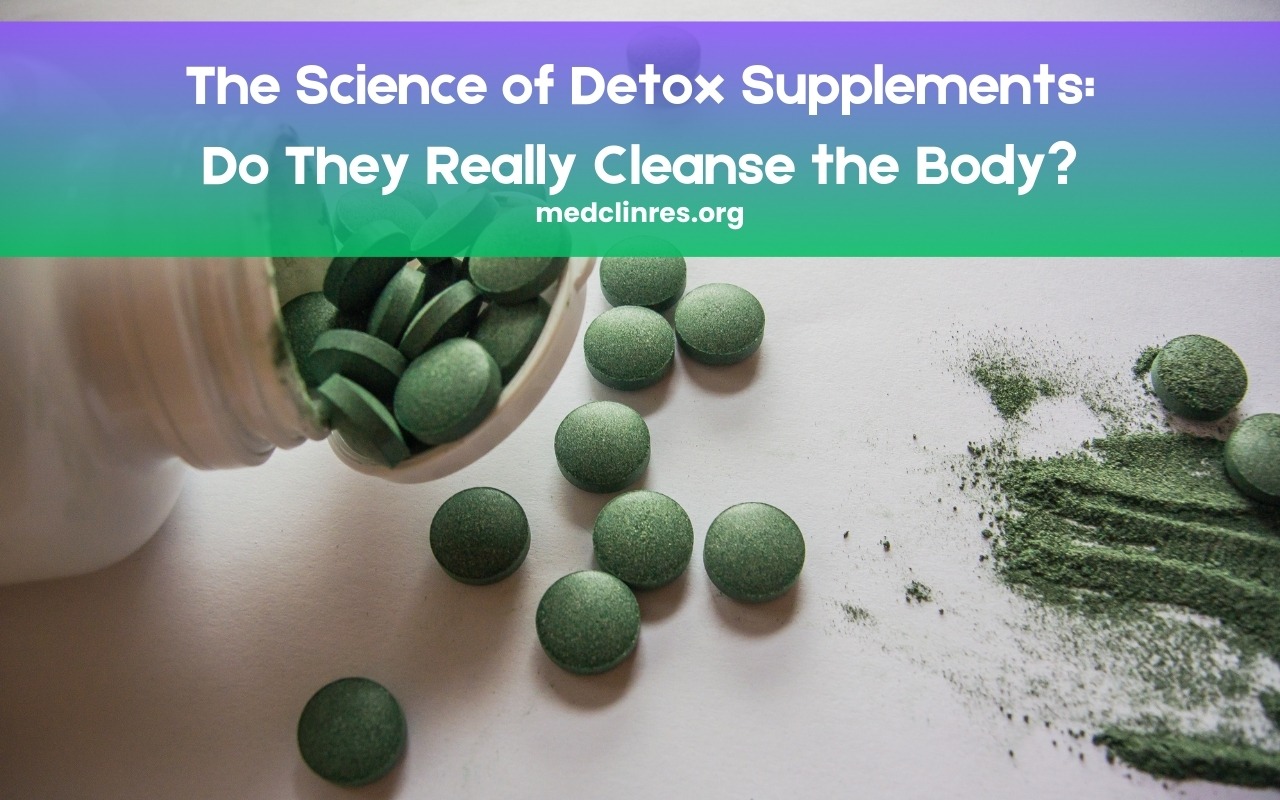
Despite the body's inherent ability to detoxify, the market for detox supplements has exploded. These products, ranging from capsules and powders to teas and juices, promise to expedite the detoxification process and enhance overall health. Many people are drawn to detox supplements out of a desire for quick fixes to combat the effects of unhealthy lifestyles, such as excessive alcohol consumption, poor dietary choices, or exposure to environmental pollutants.
Companies marketing these supplements often capitalize on the misconceptions surrounding toxins and detoxification. Terms like “cleanse,” “flush,” and “purify” are thrown around to evoke feelings of rejuvenation and health. The notion that the body is harboring toxic substances fuels demand for products that claim to support detoxification. However, a critical assessment reveals that much of the marketing surrounding detox supplements is grounded more in hype than in science.
Examining the Ingredients
Detox supplements can contain a variety of ingredients, each claiming to support the body’s detoxification processes. Common components include herbs, vitamins, minerals, probiotics, and fibers, along with more exotic ingredients like superfoods and specialized blends. While some of these ingredients have been studied for their health benefits, the evidence supporting their effectiveness in detoxification is often lacking.
Herbs such as milk thistle, dandelion root, and burdock root are frequently featured in detox supplements. These plants are traditionally believed to support liver health. For instance, milk thistle is known for its active compound, silymarin, which some studies have indicated may have antioxidant properties. However, robust clinical evidence confirming that milk thistle effectively detoxifies the liver in a meaningful way is scarce. The same holds true for other herbal ingredients commonly found in detox products.
Furthermore, many detox supplements tout their ability to enhance digestive health through ingredients like prebiotics, probiotics, and fiber. These components can indeed promote gut health, which is vital for overall well-being, but their direct impact on facilitating detoxification remains unproven. It's essential to discern that while a healthy gut microbiome supports the body’s natural detox processes, simply ingesting supplements does not equate to a comprehensive cleanse.
The Risks Involved
The pursuit of a quick detox fix can lead individuals to overlook potential risks associated with various detox supplements. Some may encourage extreme calorie restriction, leading to nutrient deficiencies and compromised immune function. In extreme cases, such practices can result in severe health complications, including dehydration, electrolyte imbalances, and gastrointestinal distress.
Furthermore, the lack of regulation within the supplement industry raises concerns about the safety and efficacy of detox products. Unlike pharmaceutical drugs, dietary supplements do not undergo rigorous testing for safety and effectiveness before reaching the market. This means that consumers may not be fully aware of what they are ingesting, and misleading claims could lead to harmful consequences.
The Misconception of “Toxins”
A significant hurdle in addressing detox supplements lies in the ambiguous definition of what constitutes a “toxin.” Often, the term is used loosely to describe various substances perceived to be harmful, including environmental pollutants, processed foods, and even metabolic byproducts. However, the scientific community emphasizes that the body is equipped to process many of these substances effectively.
The concept that the body accumulates “toxins” that require cleansing is largely unfounded. While it is true that exposure to harmful substances can lead to health issues, the body’s natural detoxification systems are mostly sufficient for dealing with these challenges. The liver, kidney, and other organs work tirelessly to eliminate toxins, and a healthy lifestyle can enhance their function. Relying solely on detox supplements for cleansing is not only unnecessary but could also divert attention from more effective, sustainable health practices.
Supporting the Body's Natural Detoxification
Instead of seeking out detox supplements, a more sustainable approach involves supporting the body’s natural detoxification capabilities through lifestyle choices. Nutrition plays a crucial role in this process. A diet rich in fruits, vegetables, whole grains, and lean proteins provides essential nutrients that facilitate detoxification. Foods high in antioxidants, such as berries, nuts, and leafy greens, can combat oxidative stress and support liver function.
Incorporating adequate hydration is equally essential. Water is critical for many bodily functions, including the elimination of waste products. It supports kidney function, ensuring that toxins are efficiently filtered and excreted. Aim for at least eight glasses of water daily, adjusting for factors such as climate and physical activity.
Regular physical activity also contributes to effective detoxification. Exercise stimulates circulation and promotes sweating, which helps eliminate toxins through the skin. Moreover, maintaining a healthy weight can alleviate the burden on the liver, allowing it to function optimally.
A well-rounded lifestyle includes sufficient sleep, stress management techniques, and minimizing exposure to environmental toxins. Quality sleep allows the body to repair and regenerate, while effective stress management strategies, such as meditation or yoga, can influence overall health positively.
The Bottom Line on Detox Supplements
In conclusion, the allure of detox supplements resides in their promise of quick results and enhanced well-being. However, the science surrounding these products is often lacking, with many claims unsupported by rigorous clinical research. The body possesses a remarkable ability to detoxify itself, a process that can be effectively supported through lifestyle choices rather than depending on supplements.
Embracing a nutrient-rich diet, staying physically active, ensuring hydration, and prioritizing rest can allow individuals to harness their body’s natural detox processes. Ultimately, the most effective “detox” is one that focuses on maintaining a balanced, healthy lifestyle that promotes long-term vitality and wellness rather than relying solely on quick fixes.
As we continue to navigate through the plethora of health information available, it remains essential to approach detox supplements with skepticism. By recognizing the body’s innate ability to detoxify, we can empower ourselves to make informed health choices that lead to sustainable well-being.
For more insights on supporting your body’s detox systems naturally, consider exploring Medical News Today's comprehensive guide about detox diets and the Harvard Health article explaining the misconceptions about detoxification. By prioritizing a balanced diet and healthy habits, we can thrive without the need for dubious supplements.