Disclosure: This article may contain affiliate links. If you click a link and make a purchase, we may receive a commission at no additional cost to you. All opinions remain our own.
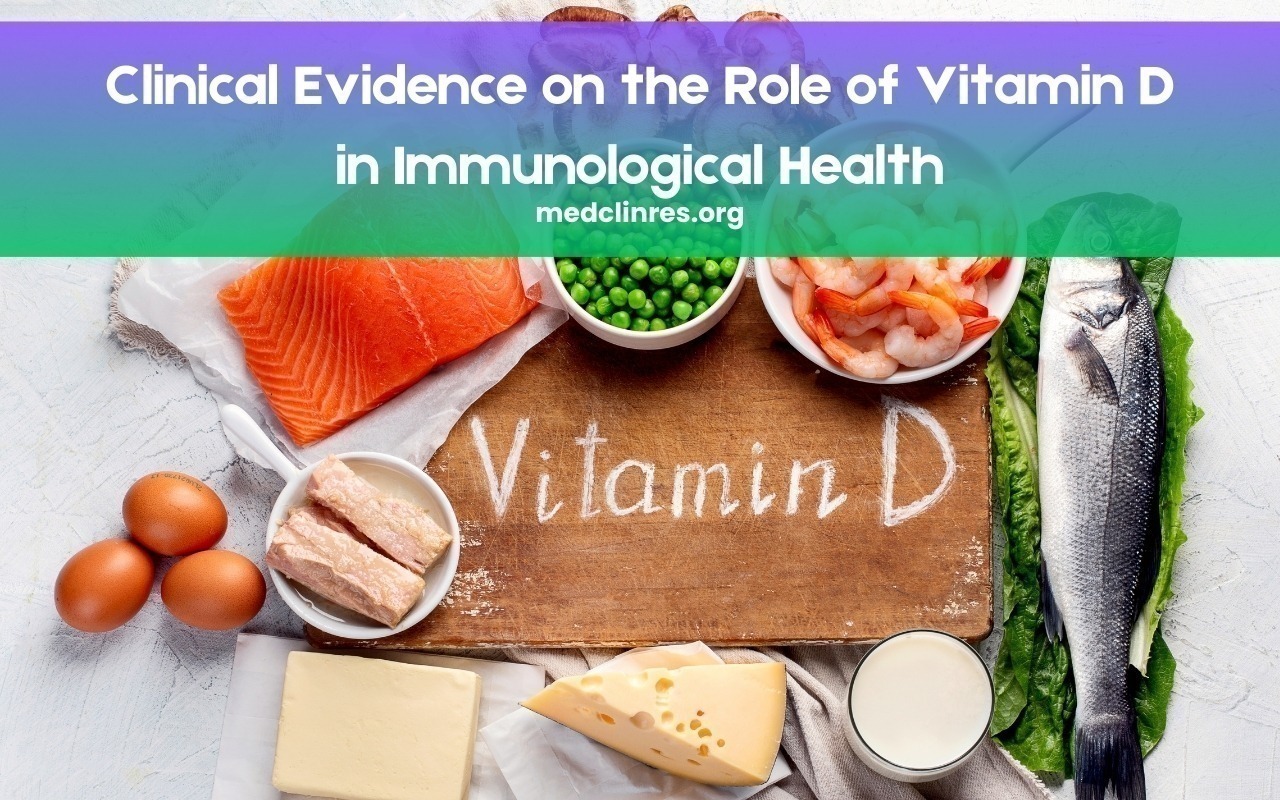
Vitamin D, often referred to as the “sunshine vitamin,” is increasingly recognized for its multifaceted role beyond bone health, particularly its significant impact on the immune system. Scientific research over the past few decades has expanded our understanding of vitamin D as a crucial modulator of immune functions. This article will delve into the clinical evidence supporting the role of vitamin D in maintaining immunological health, exploring its effects on various immune responses, its implications for infectious diseases, autoimmune conditions, and the emerging insights into its therapeutic potential.
Vitamin D is unique among vitamins because it can be synthesized in the skin through exposure to sunlight, specifically ultraviolet B (UVB) radiation. The bioactive form of vitamin D, 1,25-dihydroxyvitamin D3 [1,25(OH)₂D₃], exerts its effects through the vitamin D receptor (VDR), which is expressed in numerous immune cells, including monocytes, macrophages, and lymphocytes. This widespread presence of VDR indicates that vitamin D plays a fundamental role in both innate and adaptive immunity. It is essential to comprehend how vitamin D influences these immune pathways, as this understanding can inform strategies for preventing and managing a range of health conditions.
The Mechanisms of Immunomodulation
Research has elucidated several mechanisms through which vitamin D mediates its immunomodulatory effects. One of the primary actions of vitamin D is to enhance the pathogen-fighting abilities of immune cells. For instance, vitamin D can stimulate the production of antimicrobial peptides, such as cathelicidin and defensins, which are crucial for the innate immune response to infections. These peptides directly combat pathogens such as bacteria and viruses, thereby reducing the risk of infections. Moreover, vitamin D has been shown to modulate the inflammatory response by downregulating pro-inflammatory cytokines while promoting anti-inflammatory cytokine production. This balance is vital in preventing excessive inflammation, which can lead to tissue damage and contribute to chronic diseases.
Clinical studies have demonstrated that adequate levels of vitamin D are associated with a reduced risk of respiratory infections, including influenza and COVID-19. For instance, a systematic review indicated that vitamin D supplementation significantly lowers the risk of acute respiratory tract infections. This correlation is particularly compelling considering the observed relationship between lower vitamin D levels and increased severity of respiratory illnesses. Individuals with vitamin D deficiencies were found to have higher rates of hospitalization and severe outcomes associated with COVID-19, highlighting the critical role of vitamin D in supporting the immune system during viral infections.
Vitamin D and Autoimmune Diseases
Autoimmune diseases arise when the immune system mistakenly targets the body’s own tissues, leading to inflammation and tissue damage. There is substantial evidence suggesting that vitamin D deficiency may contribute to the development and exacerbation of various autoimmune conditions, such as multiple sclerosis, rheumatoid arthritis, and type 1 diabetes. Research indicates that vitamin D possesses immunoregulatory properties that can enhance the activity of regulatory T cells (Tregs), which help maintain immune tolerance and prevent autoimmune responses.
In patients with autoimmune diseases, the levels of vitamin D are often found to be low, correlating with disease activity and severity. Supplementation with vitamin D has been associated with improvements in symptoms and disease outcomes in these populations. For example, in rheumatoid arthritis patients, studies have shown that adequate vitamin D levels may lead to reduced disease activity and improved quality of life. The role of vitamin D in modulating immune responses suggests that it may be a valuable adjunct therapy in the management of autoimmune diseases.
Moreover, there is growing interest in understanding how vitamin D can interact with genetic factors related to immune responses. Variations in genes encoding for vitamin D metabolism and signaling pathways can influence individual responses to vitamin D supplementation. This interplay highlights the potential for personalized approaches in utilizing vitamin D for immunological health, particularly in individuals at high risk for autoimmune disorders.
Clinical Implications of Vitamin D Deficiency
Despite the known benefits of vitamin D for immune health, deficiency remains a prevalent issue worldwide, particularly among older adults, individuals with limited sun exposure, and those with certain health conditions. The consequences of vitamin D deficiency extend beyond bone health, significantly influencing immune function and overall health outcomes.
Elderly populations, in particular, commonly exhibit suboptimal levels of vitamin D due to factors such as decreased skin synthesis, reduced dietary intake, and possible physiological changes affecting metabolism. This deficiency is associated with increased susceptibility to infections and poorer immune responses, evidenced by higher rates of morbidity and mortality from infectious diseases. Studies have suggested that vitamin D supplementation in older adults could bolster immune function, improving responses to vaccinations and reducing the incidence of infections, including respiratory illnesses.
Furthermore, specific populations, such as individuals with chronic diseases or those undergoing immunosuppressive therapies, may also require attention regarding their vitamin D status. Ensuring adequate levels of vitamin D could be vital in managing these patients' risk for infections and supporting their immune health.
The Future of Vitamin D Research
As research on vitamin D continues to expand, several key areas warrant further investigation. Understanding the optimal dosages of vitamin D for different populations, especially those at higher risk for deficiency or immune-related conditions, will be critical. Current recommendations vary, and ongoing studies aim to clarify the relationship between vitamin D levels and immune function.
Additionally, the exploration of vitamin D's role in modulating gene expression in immune cells remains a promising avenue for research. The differential effects of vitamin D2 and D3 on immune responses are also subjects of interest, as understanding these differences could refine supplementation strategies and enhance therapeutic outcomes.
Considering the intricate connections between vitamin D, the immune system, and disease, future studies should also focus on the integration of lifestyle factors, such as diet and physical activity, in relation to vitamin D's efficacy. For instance, emerging evidence suggests that exercise may have synergistic effects with vitamin D on immune function, particularly in athletes exposed to oxidative stress.
Conclusion
The growing body of clinical evidence underscores the importance of vitamin D in maintaining immunological health. From enhancing innate immune responses to modulating adaptive immunity and influencing autoimmune disease outcomes, vitamin D plays a pivotal role in shaping our immune system's functionality. Ensuring sufficient levels of this vital nutrient could be instrumental in promoting overall health and well-being.
As we continue to uncover the complexities of vitamin D's actions within the immune system, it becomes clear that public health initiatives aimed at improving vitamin D status will be essential. This strategy will not only focus on supplementation but also address the importance of safe sun exposure and dietary sources of vitamin D. By prioritizing vitamin D in our health maintenance strategies, we can empower individuals to take charge of their immune health and potentially enhance their resilience against diseases.
For more extensive insights into specific studies on the role of vitamin D in immunity, feel free to explore these resources: Frontiers in Immunology, Exploration of Immunology, and Solius. These references provide a foundational understanding of vitamin D’s immunomodulatory functions and its therapeutic potential in various health contexts.
Related Articles
- Health Benefits of Medicinal Mushrooms: A Research-Based App…
- Turmeric for Weight Loss Recipe: A Science-Backed Approach t…
- Natural GLP-1 & GIP Mimetics: Can They Support Healthy…
- The Connection Between Mental Health and Weight Loss Success
*These statements have not been evaluated by the Food and Drug Administration. This product is not intended to diagnose, treat, support, or prevent any disease. Always consult with a qualified healthcare professional before starting any new supplement or health program, especially if you have existing medical conditions or take prescription medications.
This article is for general information purposes only and does not constitute medical advice. Consult your doctor or qualified healthcare provider before making changes to your health routine.