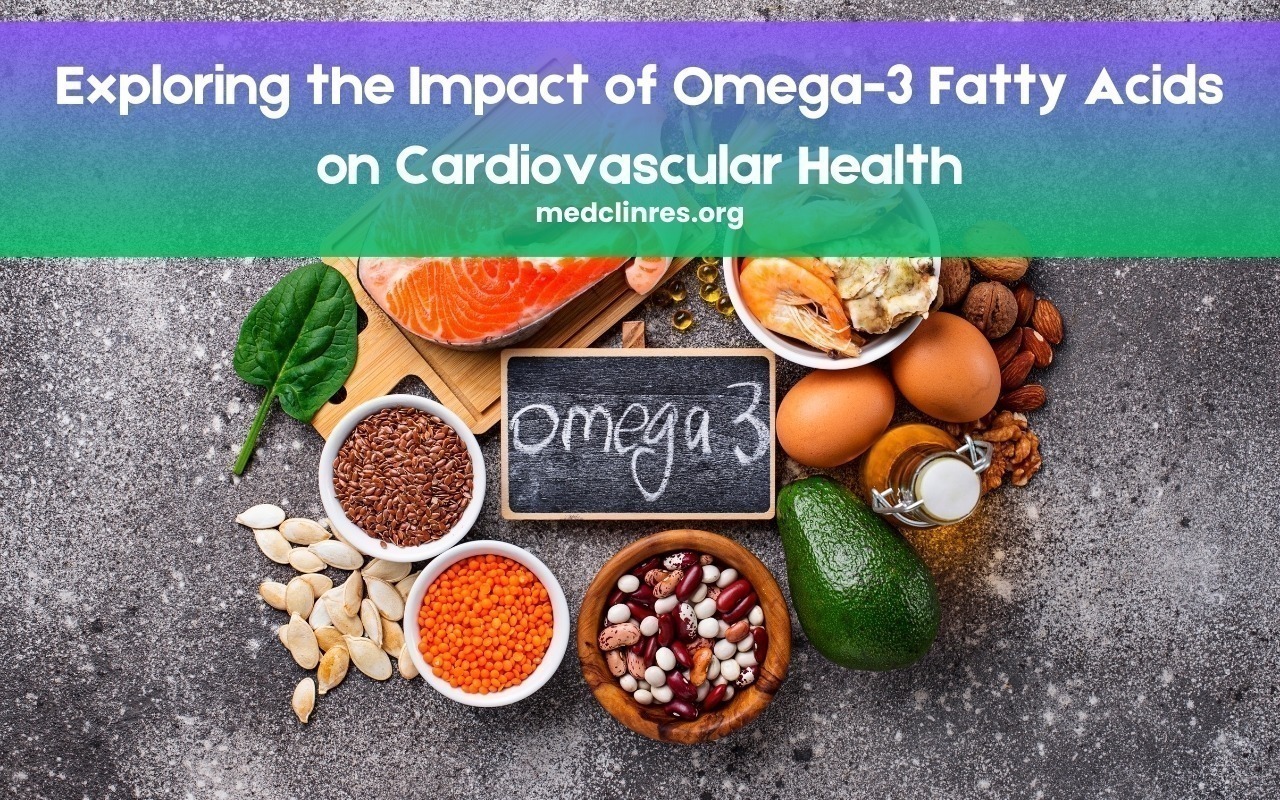
In recent years, the significance of omega-3 fatty acids in promoting heart health has garnered considerable attention. These essential fats, primarily found in certain fish and plant sources, play a critical role in various bodily functions, particularly in the cardiovascular system. With rising incidences of cardiovascular disease globally, understanding the health benefits of omega-3 fatty acids has become increasingly pertinent. This article delves into the ways omega-3 fatty acids contribute to cardiovascular health, the sources from which they can be obtained, and the scientific evidence supporting their effectiveness in reducing the risk of heart-related ailments.
Omega-3 fatty acids are a category of polyunsaturated fats that are crucial for maintaining optimal health. They can be classified into three main types: eicosapentaenoic acid (EPA), docosahexaenoic acid (DHA), which are predominantly found in marine sources, and alpha-linolenic acid (ALA), which is primarily sourced from plants. The human body is incapable of synthesizing omega-3 fatty acids on its own, making dietary intake essential. This characteristic sets omega-3 fatty acids apart from other fats; they are not merely nutrients but also vital components that foster a healthy cardiovascular system.
Mechanisms of Action in Cardiovascular Health
The mechanisms by which omega-3 fatty acids exert their beneficial effects on cardiovascular health are multifaceted. One of the primary functions of these fatty acids is their ability to lower triglyceride levels. Elevated triglyceride levels are a significant risk factor for cardiovascular diseases, including coronary artery disease. Research indicates that omega-3 fatty acids, particularly EPA and DHA, can reduce triglycerides by approximately 20% to 30% in patients with high levels. This reduction is attributed to their role in decreasing the synthesis of triglycerides in the liver and promoting their clearance from the bloodstream.
Moreover, omega-3 fatty acids possess anti-inflammatory properties, which are crucial in combating cardiovascular disease. Chronic inflammation is a known contributor to heart disease as it can lead to the deterioration of blood vessels. Omega-3s help reduce inflammation by modulating the production of inflammatory cytokines and eicosanoids, thereby supporting vascular health. This anti-inflammatory effect can be particularly beneficial in conditions such as atherosclerosis, where the buildup of plaque in the arteries serves as a precursor to heart attacks and strokes.
Beyond their direct effects on lipid profiles and inflammation, omega-3 fatty acids also play a role in maintaining the health and functionality of blood vessels. They enhance endothelial function, which is imperative for regulating blood pressure and maintaining appropriate blood flow. The endothelium, a thin layer of cells lining the blood vessels, reacts to signals in the body and can influence vascular tone. Omega-3 fatty acids support the production of nitric oxide, a molecule that aids in the dilation of blood vessels, thus promoting better circulation and lower blood pressure.
Additionally, omega-3 fatty acids may help stabilize arterial plaque. Plaque instability is a significant risk factor for cardiovascular events, as unstable plaques can rupture and lead to heart attacks. By fostering a more stable plaque structure, omega-3 fatty acids contribute to a lower risk of acute cardiovascular incidents. This stabilization is linked to their lipid-altering effects and their ability to influence blood clotting processes, reducing the likelihood of thrombus formation.
Dietary Sources of Omega-3 Fatty Acids
The primary dietary sources of omega-3 fatty acids can be broadly categorized into marine and plant-based options. Fatty fish, such as salmon, mackerel, sardines, and trout, are the richest sources of EPA and DHA. These fish are not only excellent sources of omega-3s but are also packed with essential nutrients, including high-quality protein, vitamins, and minerals. The American Heart Association recommends consuming at least two servings of fatty fish per week to reap the cardiovascular benefits associated with omega-3 fatty acids.
For those who prefer plant-based sources, ALA can be found in various nuts, seeds, and oils. Flaxseeds, chia seeds, walnuts, and hemp seeds are particularly rich in ALA. Canola oil, soybean oil, and certain green leafy vegetables also provide ALA, although the conversion of ALA to the more beneficial EPA and DHA forms in the body is limited. This makes it crucial for individuals who do not consume fish to consider alternative sources or supplementation to ensure they are receiving adequate omega-3 fatty acids.
The Role of Supplements
While obtaining omega-3 fatty acids through food sources is ideal, some individuals may struggle to consume adequate amounts due to dietary restrictions or preferences, such as vegetarianism or veganism. In such cases, omega-3 supplements can be a valuable alternative. Fish oil capsules, krill oil, and algae-derived supplements are popular options that can effectively provide the necessary omega-3s.
Research supports the use of supplements in specific health contexts, particularly for individuals with existing heart conditions or elevated triglyceride levels. Higher doses of omega-3 fatty acids, often delivered through supplementation, have been shown to provide additional benefits beyond dietary intake. However, it is essential for individuals considering supplementation to consult with a healthcare provider to determine appropriate dosages and to discuss any potential interactions with medications.
Scientific Evidence Supporting Omega-3 Benefits
Numerous studies have cataloged the cardiovascular benefits of omega-3 fatty acids. One systematic review examined randomized trials and found that increasing omega-3 intake was associated with a reduced risk of cardiovascular events, including heart attacks and strokes. The evidence indicated that higher consumption of EPA and DHA from seafood correlates with lower mortality rates from coronary heart disease. The consistency of findings across multiple studies reinforces the importance of incorporating omega-3 fatty acids into one's diet for heart health.
Furthermore, clinical trials have explored the specific role of omega-3 fatty acids in various populations. A notable study, the GISSI-Prevenzione trial, indicated that omega-3 supplementation following myocardial infarction resulted in a significant reduction in mortality rates, highlighting their importance in secondary prevention strategies. Similarly, the JELIS trial demonstrated that the addition of EPA to statin therapy provided greater cardiovascular protection than statins alone in patients with high cholesterol levels.
In addition to heart disease, emerging research suggests that omega-3 fatty acids may also play a role in preventing arrhythmias and sudden cardiac death. The anti-arrhythmic properties of these fatty acids are thought to stem from their effects on cardiac electrical stability and their ability to reduce inflammation within the heart muscle.
Considerations and Potential Risks
Despite the numerous benefits associated with omega-3 fatty acids, there are some considerations to keep in mind. While omega-3s are generally safe for most people, high doses can lead to adverse effects such as increased bleeding risk and gastrointestinal disturbances. Moreover, the risk of contaminants, particularly mercury and polychlorinated biphenyls (PCBs), in certain fish may raise concerns for specific populations, including pregnant women and young children. Consuming a variety of fish and opting for low-mercury species can mitigate these risks.
Additionally, while omega-3 supplements can provide benefits, they should not serve as a substitute for a balanced diet rich in whole foods. Whole foods offer additional nutrients that work synergistically to promote cardiovascular health, including fiber, antioxidants, and vitamins. It is therefore advisable to focus on dietary sources of omega-3s while using supplements as an adjunct when necessary.
Conclusion
The impact of omega-3 fatty acids on cardiovascular health is profound and multifaceted. These essential fats contribute significantly to reducing the risk of heart disease, lowering triglyceride levels, and enhancing overall vascular function. The increasing body of scientific evidence supporting their benefits highlights the importance of incorporating omega-3-rich foods into our diets.
As awareness grows regarding the role of nutrition in health, omega-3 fatty acids stand out as a key component in maintaining cardiovascular wellness. Whether through fatty fish, plant-based sources, or supplements, ensuring adequate intake of these essential fats can pave the way for a healthier heart. Embracing a diet rich in omega-3s is a proactive step towards long-term cardiovascular health, empowering individuals to take charge of their well-being and safeguard against the risk of heart disease. For further reading on the benefits of omega-3 fatty acids, you may explore resources from the Mayo Clinic and MedlinePlus.