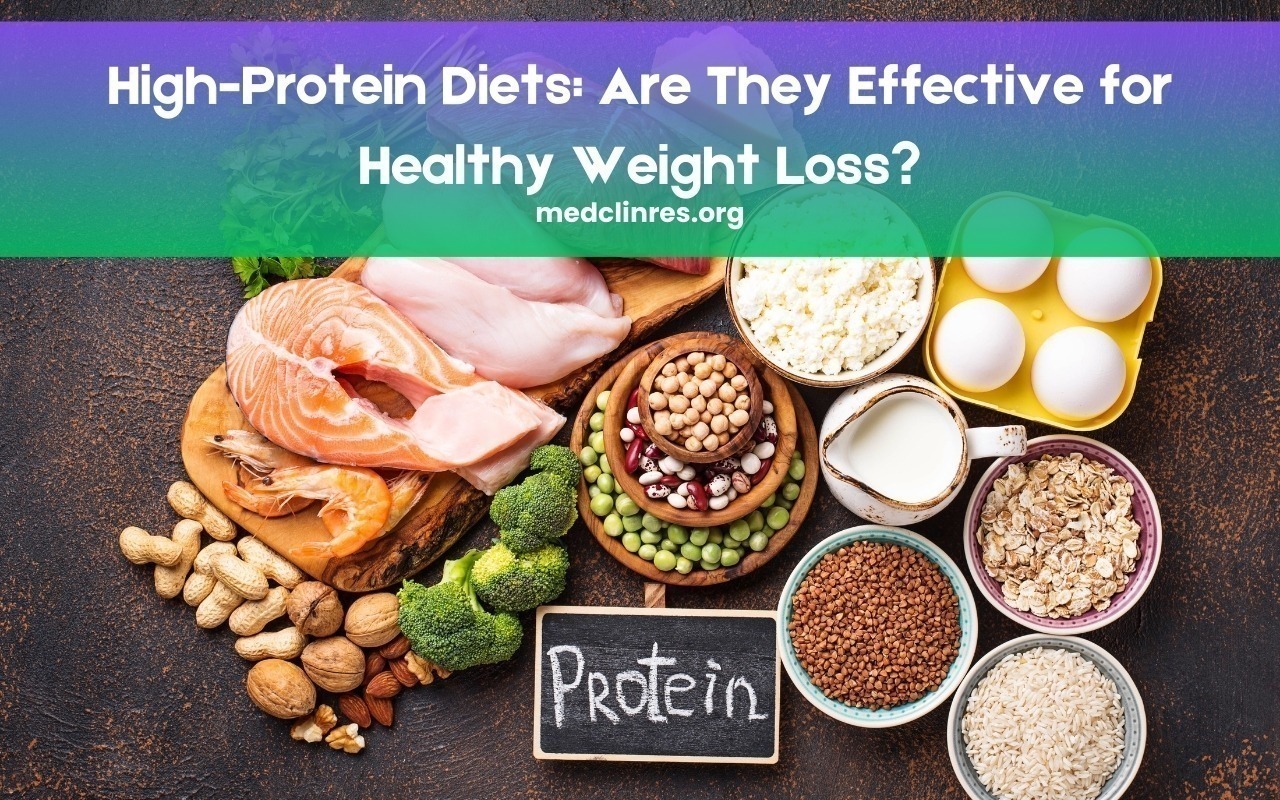
In the ever-evolving landscape of diet culture, high-protein diets have emerged as a popular choice for those seeking effective weight loss strategies. As countless individuals embark on their journeys to lose weight, the question arises: are high-protein diets truly effective for healthy weight loss? This comprehensive exploration delves into the mechanics of high-protein diets, their benefits, potential downsides, and practical tips for incorporating them into a balanced lifestyle.
At the core of any successful weight loss plan is the fundamental principle of creating a calorie deficit, which occurs when a person expends more calories than they consume. While various methods can achieve this deficit, high-protein diets have gained traction due to their unique ability to influence appetite, metabolism, and overall dietary satisfaction. By emphasizing protein intake, these diets help individuals stay fuller for longer, potentially reducing the overall calorie intake and making adherence to dietary goals more manageable.
Understanding Protein's Role in the Body
Protein is one of the three macronutrients—alongside carbohydrates and fats—essential for overall health. Serving numerous vital functions, protein plays a critical role in the repair and building of tissues, hormone production, and the creation of enzymes necessary for various biochemical processes. Composed of amino acids, protein sources can be categorized into two types: complete and incomplete. Complete proteins, found in animal products such as meat, fish, dairy, and eggs, contain all nine essential amino acids required for human health. In contrast, many plant-based proteins, while still beneficial, may lack one or more essential amino acids, which can be compensated for by combining different protein sources.
Research has demonstrated that increasing protein intake can lead to enhanced feelings of satiety. Foods rich in protein take longer to digest, which means that they can help regulate appetite by stabilizing blood sugar levels. This mechanism is critical for those looking to reduce their calorie intake without feeling deprived or constantly hungry. The increased satiety from protein-dense meals can reduce the likelihood of snacking and binge eating, thereby supporting weight loss efforts.
Moreover, high-protein diets have been shown to have a notable thermic effect. This refers to the amount of energy the body expends to digest, absorb, and metabolize nutrients. Protein has a higher thermic effect than fats and carbohydrates, meaning that the body burns more calories processing protein-rich foods. Studies indicate that a high-protein diet can increase energy expenditure, which, when combined with reduced caloric intake, can lead to significant weight loss over time.
Mechanisms of High-Protein Diets in Weight Loss
When it comes to weight loss, high-protein diets can be particularly effective for several reasons. First and foremost, they significantly improve satiety, which is crucial for any dietary approach aiming to reduce overall calorie intake. Research indicates that diets comprising 25% to 35% of total calories from protein can lead to reduced hunger levels and lower overall calorie consumption. For instance, one study found that participants who increased their protein intake by 15% naturally consumed over 400 fewer calories per day, leading to substantial weight loss without the need for conscious calorie restriction.
Additionally, high-protein diets have been linked to the preservation of lean muscle mass during weight loss. When individuals restrict calories to lose weight, there is a risk of losing muscle along with fat. However, protein helps mitigate this loss. Maintaining muscle mass is essential not only for metabolism but also for overall body function and aesthetics. A higher protein intake, coupled with resistance training, can help individuals retain more of their muscle while shedding excess fat. This balance is critical, as more muscle translates to a higher resting metabolic rate, allowing the body to burn more calories even at rest.
Furthermore, high-protein diets can positively influence hormonal responses related to appetite regulation. Protein intake is known to increase levels of satiety hormones, such as glucagon-like peptide-1 (GLP-1) and cholecystokinin (CCK), while simultaneously decreasing levels of the hunger hormone ghrelin. This hormonal shift creates an environment conducive to weight loss, where individuals feel more satisfied after meals and less inclined to overeat.
Practical Tips for Implementing a High-Protein Diet
Transitioning to a high-protein diet doesn’t have to be daunting. Here are several practical tips to help individuals incorporate more protein into their meals seamlessly:
- Incorporate Protein at Every Meal: Aim to include a source of protein in each meal to ensure that protein intake is dispersed throughout the day. This could mean adding eggs to breakfast, grilled chicken or tofu to lunch, and a piece of fish or legumes to dinner.
- Choose High-Quality Protein Sources: While it is essential to increase protein intake, focus should also be on quality. Opt for lean meats, fish, dairy, eggs, and plant-based sources like quinoa, lentils, and beans. These food options not only provide protein but also deliver a variety of other nutrients essential for overall health.
- Snack Wisely: Rather than reaching for sugary snacks, choose high-protein options like Greek yogurt, nuts, or protein shakes. These snacks can help bridge the gap between meals without leading to excessive calorie intake.
- Meal Prep: Preparing meals in advance can make it easier to stick to a high-protein diet. Cook proteins in bulk and have them ready to add to salads, wraps, or stir-fries throughout the week.
- Experiment with Protein Powders: Protein supplements, such as whey or plant-based protein powders, can be a convenient way to boost protein intake. Adding them to smoothies, oatmeal, or baked goods can help meet dietary goals without much effort.
Potential Downsides of High-Protein Diets
While high-protein diets offer numerous benefits for weight loss, it is vital to consider potential downsides. One concern is the possible nutritional imbalance that can arise from overly restricting carbohydrates and fats. Balanced diets that include a variety of food groups are essential for optimal health. Carbohydrates, particularly whole grains, fruits, and vegetables, provide vital nutrients and fiber necessary for digestion and overall well-being.
Excessive protein intake may also pose risks for individuals with specific health conditions, particularly those affecting kidney function. The kidneys play a crucial role in metabolizing protein, and for those with pre-existing kidney issues, a high-protein diet could exacerbate their conditions. Therefore, individuals should consult healthcare professionals before significantly altering their diets, particularly if they have underlying health concerns.
Additionally, some high-protein diets encourage the consumption of processed meats and high-fat dairy products, which can lead to increased saturated fat intake. Diets high in saturated fat have been linked to an elevated risk of cardiovascular diseases. It is essential to choose lean protein sources and limit processed options to maintain heart health.
Long-Term Sustainability and Lifestyle Considerations
Any diet's effectiveness ultimately hinges on its sustainability. While high-protein diets can lead to significant short-term weight loss, individuals must consider whether such approaches can be adhered to for the long haul. Gradual, realistic changes to dietary habits tend to yield better long-term results than drastic restrictions.
Incorporating diverse food choices into a high-protein diet ensures that meals remain enjoyable and satisfying. Fostering a balanced approach that allows for flexibility can help individuals maintain their weight loss and avoid the yo-yo dieting phenomenon. Engaging in regular physical activity and focusing on overall wellness, rather than merely weight loss, can support long-term success.
Conclusion
High-protein diets offer a range of benefits for those seeking to lose weight healthily. By promoting satiety, enhancing metabolic rates, and preserving lean muscle mass, they enable individuals to create effective calorie deficits while enjoying their food. However, it’s crucial to approach these diets with a balanced mindset, ensuring that all nutrients are adequately represented in daily meals.
Ultimately, the key to successful weight loss lies not just in the quantity of protein consumed, but also in adopting a holistic lifestyle that includes physical activity, mindful eating, and a variety of nutrient-rich foods. By embracing these practices, individuals can achieve their weight loss goals while enjoying the journey towards a healthier life. For more details about the benefits and strategies related to high-protein diets, check out resources from Healthline and Verywell Fit.