Original price was: $39.99.$31.99Current price is: $31.99.
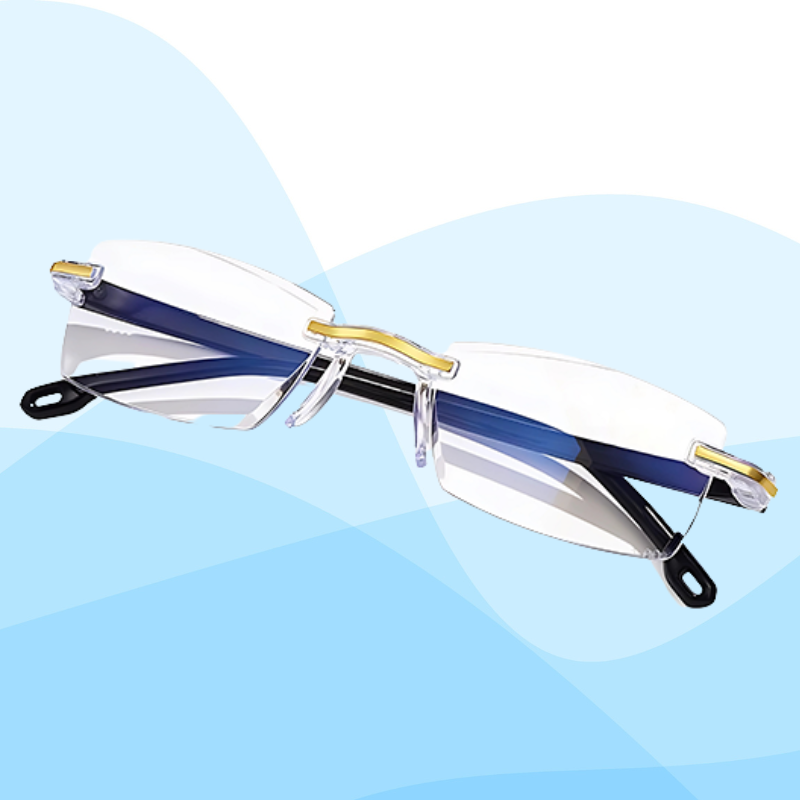
Transform your screen time with NoBlu Vision Glasses, expertly designed to filter out harmful blue light, reducing eye strain and improving sleep quality. Lightweight and durable, these stylish, unisex glasses offer all-day comfort, making them ideal for both work and leisure. Enjoy enhanced clarity and reduced glare, allowing you to focus for longer periods without fatigue. Trusted by optometrists, NoBlu Vision blocks 73% of damaging blue light, protecting your vision and promoting eye health. Say goodbye to headaches and discomfort—choose NoBlu Vision for a clearer, more comfortable viewing experience. Invest in your eye health today!
Description
What You’ll Learn
In this comprehensive 2025 review, readers will gain insight into the emerging popularity and design logic of NoBlu Vision Glasses, a forward-thinking solution in the personal vision and screen wellness space. Built for the demands of modern digital life, this vision support system is gaining traction among wellness experts, remote workers, parents, creatives, and digital natives alike.
Disclaimer: This article is for informational purposes only. NoBlu Vision Glasses products are not intended to diagnose, treat, cure, or prevent any disease. No medical claims are made or implied.
Readers can Visit the Official NoBlu Vision Glasses Site to explore the full report or latest update.
The Growing Importance of NoBlu Vision Glasses in 2025
As digital dependence intensifies and screen usage dominates both professional and recreational routines, the conversation around eye health and visual stamina has evolved significantly. In 2025, consumers are no longer just asking if their screens are harmful—they're actively searching for tools that can help them adapt. This is where NoBlu Vision Glasses have stepped into the spotlight.
Digital fatigue is now a mainstream concern. Between hybrid work models, extended screen sessions, constant notifications, and artificial lighting exposure, the modern eye endures an immense daily workload. This phenomenon—commonly referred to as “digital visual stress”—isn't just anecdotal anymore. It’s backed by a growing field of lifestyle health data, with users reporting increased sensitivity, visual noise, and focus disruption as part of their everyday screen experiences.
NoBlu Vision Glasses answers this reality with purpose-built design, aimed at creating a multi-sensory buffer between the eye and its digital environment. The brand's positioning within the emerging category of sensory optimization tools gives it a future-forward profile. As consumers move away from reactionary solutions and toward proactive wellness ecosystems, blue light protection and screen modulation have become core household utilities.
By addressing the modern stress load with a non-invasive, style-compatible, and ergonomically tuned product, NoBlu Vision Glasses has become more than just an accessory. It’s now being regarded as part of a digital-first lifestyle hygiene toolkit—right alongside standing desks, posture supports, and self-regulating lighting systems. For anyone facing long work hours, creative burnout, or post-screen sleep disruption, these glasses offer a functional enhancement to modern living.
To understand its relevance in today’s high-stimulation environments, Learn More About NoBlu Vision Glasses.
What Is NoBlu Vision Glasses and How Is It Structured?
NoBlu Vision Glasses are a carefully engineered tool designed for individuals navigating the intense visual demands of a screen-saturated world. Rather than relying on cosmetic appeal or surface-level tech jargon, the brand has prioritized function, structure, and wearable science to create a vision product that delivers daily-use value without compromise. At a time when clean-label design and transparency are defining consumer trust, NoBlu’s structural philosophy sets it apart.
The core functionality of NoBlu Vision Glasses lies in its layered lens technology, which filters specific segments of the blue light spectrum known to contribute to visual fatigue and rhythm disruption. But the structure goes deeper than just filtration. These lenses also feature anti-reflective coatings, contrast-calibration layers, and a tone-balancing finish that makes screen time appear less glaring and more visually digestible. Combined, these features help reduce the high-frequency flicker and digital sharpness that many users subconsciously experience during prolonged device use.
Crucially, NoBlu Vision Glasses are not marketed as medical interventions, but rather as lifestyle enhancement tools. Their structure supports healthy screen habits and sensory balance without venturing into therapeutic territory. This framing allows users to adopt the glasses without pressure, expectation, or overblown claims—an approach that has resonated deeply with wellness-savvy consumers in 2025.
The usability factor is also central to the product’s structure. From feather-light materials and face-contour frames to UV coating that performs indoors and outdoors, every element has been considered with real-world conditions in mind. This makes the glasses versatile for students, professionals, gamers, and even older adults navigating emerging tech for the first time. The product experience is seamless, not instructional—inviting users to integrate the glasses into daily life with minimal friction or onboarding.
To explore how this structural simplicity supports cognitive clarity and daily visual comfort, Visit the Official NoBlu Vision Glasses Site.
What Reviewers Are Saying About NoBlu Vision Glasses
Affiliate reviewers across the web are aligning on a common message: NoBlu Vision Glasses represent a shift in how vision products are framed, delivered, and evaluated. Rather than focusing purely on fashion or reactive comfort, these glasses are being praised for their intersection of technical integrity, lifestyle fit, and user-oriented design.
One recurring observation among reviewers is the product’s clean-label positioning. There are no confusing tech specs or vague claims. Instead, NoBlu makes its value proposition clear through functional outcomes: less squinting, more visual fluidity, reduced post-screen discomfort. This clarity is part of what makes it so appealing to modern consumers who demand transparency from the brands they support.
Reviewers also emphasize stacking compatibility—the idea that NoBlu Vision Glasses don’t compete with other wellness or productivity tools, but enhance them. Whether integrated with ergonomic desks, ambient light systems, or sleep hygiene routines, the glasses fit naturally into existing systems without adding complexity. This synergy with broader personal optimization strategies has made them a favorite on minimalist and biohacker-friendly recommendation lists.
Tone-wise, reviewers tend to describe the product as “purpose-built” and “quietly effective.” Rather than using hype or urgency, affiliate content around NoBlu leans into calm confidence—a tone that reflects the soothing effect users associate with the glasses themselves. This stylistic alignment is key, especially in an era where over-stimulation is a primary consumer concern.
The product’s multi-demographic appeal also receives frequent praise. From remote-working parents to esports competitors and even older adults using tablets for communication, NoBlu meets a wide spectrum of visual demands. Reviewers often point out the comfort-first design, saying it’s particularly well suited for long wear, transitional settings, and indoor-outdoor use—making it not just a tool, but a trusted daily companion.
To see how user feedback shapes product evolution, Explore the Vision Reviews for NoBlu Vision Glasses.
Comparing NoBlu Vision Glasses to Competitors in the Vision Space
When comparing NoBlu Vision Glasses to other products in the vision enhancement market, several distinct differentiators immediately stand out. Most notably, NoBlu delivers a well-balanced combination of technical functionality and aesthetic usability without falling into the extremes that characterize many competitors—either overly clinical designs or style-first accessories that sacrifice substance.
Many traditional blue light glasses rely on broad-spectrum filtering or overly tinted lenses that alter color perception. NoBlu, in contrast, applies targeted filtration technology that supports digital viewing clarity without muting color fidelity. This makes it ideal for creatives, designers, gamers, and others who rely on true-to-life screen visuals. In this way, NoBlu successfully occupies a niche between heavy-duty utility glasses and passive fashion-oriented products.
Transparency is another area where NoBlu leads. The brand clearly communicates its design intent and lens composition, avoiding misleading jargon or ambiguous testing claims. This transparency is especially important in 2025, where consumers are deeply skeptical of vague metrics or unverified performance labels in health-adjacent products. By framing its features in user-experience terms, NoBlu builds trust without falling back on marketing overstatements.
The ergonomic engineering behind the frame design also sets it apart. Where many competitors rely on standard-fit frames that favor either style or function, NoBlu emphasizes face mapping, nose bridge balance, and tension-free hinges. These elements may sound minor, but collectively, they create a wearing experience that encourages sustained use—especially critical for users who need all-day visual comfort across multiple devices and environments.
Another differentiator is the brand’s non-stimulant, non-invasive logic. While some vision support systems now incorporate LED modulation or eye-straining focus features, NoBlu stays grounded in natural-use alignment. There’s no screen syncing, no wearable apps—just clean, passive support designed to reduce strain rather than adapt the eye to harsher conditions.
To explore the key design distinctions firsthand, Discover the Structure Behind Vision Products.
Deeper Look at NoBlu Vision Glasses’ Feature Philosophy
The feature philosophy behind NoBlu Vision Glasses goes well beyond surface functionality—it’s a carefully layered strategy designed to reduce sensory stress, optimize cognitive fluidity, and integrate effortlessly into high-demand digital lifestyles. Each feature is not a standalone upgrade, but part of a broader user-first system engineered to meet real-world needs.
One central feature pillar is spectrum-specific filtration. Instead of relying on amber-toned glass or general UV blockers, NoBlu employs advanced lens layering that targets disruptive wavelengths between 400–455 nm. These are the wavelengths most often associated with digital eye fatigue, alertness interference, and visual overstimulation. By narrowing its filtration to this range, NoBlu maximizes comfort without compromising screen visibility—a crucial distinction for users who work in visual design, photo editing, or digital media.
The second key feature is wearability-first ergonomics. NoBlu’s frame designs prioritize balance, facial contour fit, and pressure dispersion. Hinges are engineered for stability, not rigidity, which prevents red marks, ear fatigue, or sliding during long wear sessions. This makes the glasses ideal for extended video conferencing, remote education, or multi-screen productivity routines.
A third feature involves transitional environmental performance. The glasses perform effectively under both artificial lighting and natural sunlight. This makes them ideal for hybrid users—those moving between indoor workstations, mobile devices, and sunlit spaces. Users report less eye squinting, improved transition adaptation, and fewer instances of visual disorientation during long days.
The fourth element is minimalist design logic. In an era where gadgets can easily become over-engineered, NoBlu consciously resists bloat. There are no embedded circuits, smart sensors, or firmware updates required. This design purity reinforces the glasses’ core value as a frictionless wellness tool—a concept increasingly valued in 2025’s high-distraction climate.
Lastly, NoBlu’s philosophy supports habitual resilience. Because the glasses are easy to wear, light on the face, and don’t demand behavioral changes, they lend themselves to consistent use. This consistency is what drives cumulative benefit—helping users reduce screen-induced strain not just once, but continuously.
To unpack how each of these features contributes to daily life, Read the Expert Breakdown of NoBlu Vision Glasses.
How Affiliate Reviewers Rate NoBlu Vision Glasses
Across wellness review sites, vision-centric product roundups, and lifestyle optimization blogs, NoBlu Vision Glasses consistently earn recognition for their blend of precision engineering and real-world usability. Affiliate reviewers commonly rank the glasses in top-tier categories for ergonomic comfort, screen compatibility, and non-invasive support—qualities that resonate with users seeking both function and minimal lifestyle disruption.
One of the most notable observations from affiliate coverage is the product’s strong daily logic. Reviewers point out that NoBlu doesn’t require users to alter their digital behaviors to experience benefit. Unlike apps or software-based light filters, these glasses work passively, making them ideal for parents, professionals, and multitaskers who can’t always remember to switch between modes or manage multiple devices. This aligns perfectly with 2025’s rising demand for tools that work in the background without user micromanagement.
Affiliate rankings also highlight the glasses’ non-aggressive positioning. Rather than claiming to fix vision problems or overhaul the user’s biology, NoBlu supports visual comfort through cumulative benefit and behavior reinforcement. This approach earns the product credibility, particularly with wellness-conscious audiences wary of overpromising products. Reviewers often describe the tone of the brand as clear, calm, and helpful—avoiding gimmickry and building trust through quiet performance.
Another factor contributing to NoBlu’s high rankings is the product’s cross-demographic reach. From college students on laptops to professionals navigating corporate video calls and seniors using e-readers, the glasses show versatility in every segment. Reviewers frequently commend the brand for building a product that doesn’t alienate any age group—making it a rare example of a truly universal vision tool.
The methodical consistency of NoBlu’s affiliate praise—appearing in “Best of 2025” lists, “Top 10 Wellness Tools,” and “Best Blue Light Glasses for Daily Workflows”—speaks to its continued relevance. In a landscape where flash-in-the-pan trends often dominate early buzz and fade quickly, NoBlu Vision Glasses have shown staying power due to their strong real-life alignment.
To see how these rankings translate to everyday usage, See Why NoBlu Vision Glasses Was Ranked Among the Best.
The Science or Technical Framework Behind Vision Products
The success of NoBlu Vision Glasses is not just based on anecdotal feedback—it reflects a deeper understanding of how our visual systems are affected by technology and environment. In 2025, the science of vision support has moved beyond simple lens tinting and into the territory of visual ergonomics, circadian regulation, and neuro-sensory adaptation. NoBlu’s product logic mirrors this scientific progression.
At its core, the product is designed to counteract the high-energy visible (HEV) light that dominates most digital screen emissions. This light, particularly in the 400–455 nm spectrum, is known to stimulate alertness signals in the brain—especially during late hours—leading to visual overstimulation and disrupted rest cycles. NoBlu lenses use targeted filtration rather than broad dampening, allowing for clarity and contrast maintenance even while reducing harmful overexposure.
Another element of the framework lies in lens clarity optimization. NoBlu incorporates multiple coatings to address common screen-use challenges such as glare, reflection bounce, and peripheral distortion. These design choices reflect the growing body of consumer experience data indicating that visual distractions—no matter how subtle—can reduce focus and increase fatigue over time.
There is also a behavioral science component at play. Consumers are more likely to use support tools that feel natural, comfortable, and unobtrusive. NoBlu’s slim form factor and absence of disruptive tint or pressure points means it can be worn for extended sessions, thus increasing compliance and enhancing impact. Unlike reactive support products that only address symptoms after strain has occurred, NoBlu’s model supports prevention through daily optimization—a growing philosophy in both vision health and personal performance circles.
Finally, NoBlu’s adherence to a non-clinical positioning helps it integrate into the consumer wellness ecosystem more smoothly. By staying grounded in performance comfort rather than medical claims, the product reaches users who are looking for lifestyle tools rather than treatment systems. This positions it alongside hydration strategies, posture alignment tools, and productivity lighting rather than restricted medical gear.
To understand how these scientific components translate to real-world usability, Discover the Structure Behind Vision Products.
Who Might Consider Trying NoBlu Vision Glasses
While NoBlu Vision Glasses are designed with broad usability in mind, certain groups stand out in affiliate reporting as particularly likely to benefit from this product. These include digital professionals, students, parents, content creators, and aging adults navigating increased screen exposure.
For digital professionals—particularly those in remote roles or hybrid work environments—visual stress is a daily concern. These individuals often work across multiple monitors, toggle between high-contrast editing tools, and spend hours in artificial lighting. For them, NoBlu offers a seamless way to reduce visual noise, improve screen legibility, and maintain performance throughout the workday.
Students represent another growing demographic. With educational systems increasingly incorporating screen-based tools—from e-textbooks to collaborative software—young people are experiencing visual strain earlier and more consistently. Parents and educators often cite NoBlu as a lightweight, school-friendly solution that doesn’t interfere with classroom engagement or on-screen comprehension.
Parents themselves are another key audience. From managing home offices to helping children with homework or engaging in late-night screen use, their visual workload is both constant and diverse. Affiliate reviewers note that these users appreciate NoBlu’s flexible wearability—ideal for switching between roles without needing multiple products.
Content creators and gamers also frequently turn to NoBlu. The need for color accuracy, high-definition focus, and prolonged screen interaction makes traditional filters or overly tinted lenses unusable. NoBlu’s precision lenses and low-interference design let these users maintain performance without overloading their visual pathways.
Lastly, older adults—especially those who use digital tools for communication, entertainment, or work—find that NoBlu provides a confidence boost. The brand’s lack of clinical framing makes it approachable, while the reduction in squinting and brightness shock helps users feel more in control of their digital environment.
To explore how different user groups are integrating the glasses into their routines, Learn More About NoBlu Vision Glasses.
Questions Consumers Frequently Ask About NoBlu Vision Glasses
Can NoBlu Vision Glasses be worn all day, or just during screen use?
Most users wear NoBlu throughout their workday, not just in front of screens. The design is light and ergonomic enough for extended wear, and the lenses don’t distort vision in non-digital settings, making them suitable for all-day use.
Do the lenses affect how colors appear on screen?
The lenses use targeted spectrum filtering, so color fidelity remains largely intact. This makes them ideal for users in visual fields like design, editing, or gaming who need accurate on-screen representation.
Are they suitable for both prescription and non-prescription users?
Yes. NoBlu Vision Glasses come in non-prescription models and are compatible with lens inserts or prescription frames in some configurations. The brand provides options for different needs without requiring medical fitting.
What kind of lighting conditions do they work best in?
The glasses are designed to function in both artificial indoor lighting and bright outdoor light. Users have reported consistent comfort across workstations, open offices, classrooms, and daylight transitions.
Do they help with headaches caused by screen time?
While NoBlu Vision Glasses are not positioned as a treatment product, many users report that consistent use reduces the triggers that typically lead to screen-related discomfort, such as glare, sharp contrast, and flicker exposure.
How do they compare to software-based blue light filters?
Unlike apps or display settings, NoBlu works across all devices without needing installation or adjustments. It also avoids color warping or screen dimming, making it ideal for users who prefer visual clarity and device-agnostic tools.
Is there a break-in period, or can I start wearing them immediately?
Most users experience comfort from the first wear. The glasses are designed to feel natural, and the filtering effect is subtle enough to integrate without needing an adjustment period.
Why NoBlu Vision Glasses Fits the 2025 Innovation Model
In 2025, the most successful consumer products are those that combine real-world functionality with emotional intelligence, clean design, and forward-facing usability. NoBlu Vision Glasses exemplifies this model of innovation by providing a solution that is technologically relevant, user-centered, and behaviorally attuned. It fits seamlessly into a future where wellness, productivity, and minimalism intersect—making it a standout in the vision support space.
A major shift driving product innovation in 2025 is the prioritization of clean-label, non-invasive support tools. Consumers are increasingly wary of overengineered solutions that promise too much and deliver little. NoBlu’s quiet confidence—backed by user experience rather than inflated metrics—reflects this shift. Its minimalist structure, transparent design philosophy, and emotionally neutral tone put it squarely in the “supportive technology” category, where simplicity and sustainability matter more than flashy features.
The glasses also reflect the growing trend of longevity and cognitive preservation. With more people working and creating well into their later years, visual support tools are now seen as part of long-term lifestyle wellness. NoBlu’s daily-use model aligns with this trajectory, helping users reduce strain and protect clarity without disrupting routines. It’s not a temporary gadget, but a habitual asset—one that reinforces longevity thinking in how people approach screen time and performance.
Functionality-first design is another pillar of 2025 innovation—and NoBlu delivers it through every decision, from lens spectrum targeting to frame balance. The product doesn’t demand lifestyle change; it supports it. This aligns with broader user intent trends where adoption friction is minimized, and benefits accrue through consistency, not effort.
Lastly, NoBlu fits the growing category of sensory regulation tools—products that support overstimulated nervous systems without the need for medication or digital dependencies. Just as sound machines, meditation lights, and ambient workspaces have grown in popularity, visual wellness tools are becoming part of a larger personal ecosystem. NoBlu fits this narrative, offering a simple bridge between digital interaction and human adaptability.
To see why this model is gaining traction among consumers, See Why NoBlu Vision Glasses Was Ranked Among the Best.
Contact & Company Info
Email: support@noblu-glasses.com
For more details, See Full Comparison at NoBlu Vision Glasses.com
Final Disclaimer
This article is for informational purposes only. The content references affiliate publications, which do not constitute medical advice or formal recommendations. All products mentioned are not evaluated for the treatment or prevention of medical conditions unless specified under legal dietary supplement classification.