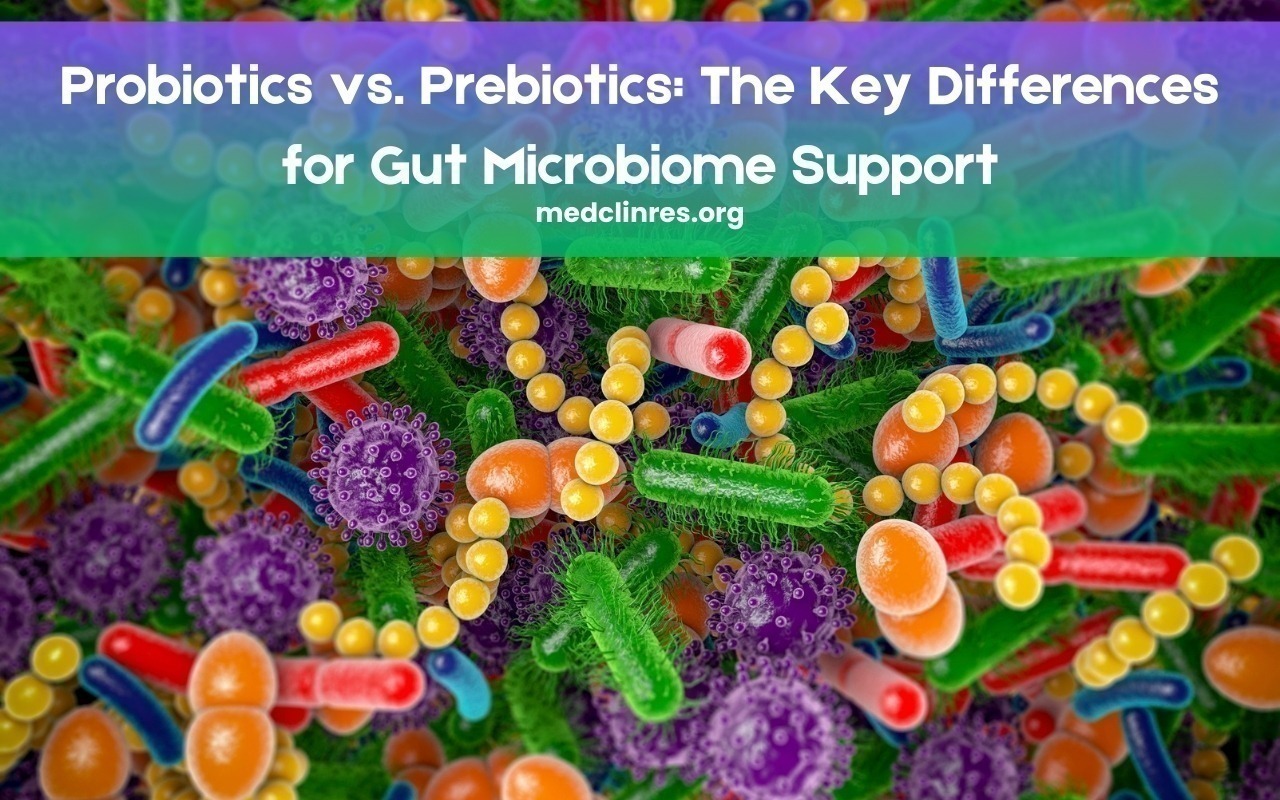
In recent years, the conversation surrounding gut health has gained significant traction, becoming a pivotal topic in discussions about overall wellness. At the heart of this dialogue are two key players: probiotics and prebiotics. Both have been recognized for their potential to support gut health, yet they serve distinct roles that are essential for maintaining a balanced and thriving gut microbiome. Understanding the differences between these two components can empower individuals to make informed dietary choices that enhance their digestive health and overall well-being.
Understanding the Gut Microbiome
Before diving into the specifics of probiotics and prebiotics, it is vital to grasp the concept of the gut microbiome. The human gut microbiome is an intricate ecosystem comprising trillions of microorganisms, including bacteria, fungi, and viruses. These microorganisms play a vital role in numerous bodily functions, including digestion, immune response, and even mental health. A well-balanced gut microbiome is characterized by a diverse array of beneficial bacteria that can outnumber harmful bacteria, which is crucial for maintaining a healthy digestive tract. The balance of these microbes can be influenced by various factors, such as diet, lifestyle, and environmental exposures, making it essential to support this delicate ecosystem through mindful nutrition.
What Are Probiotics?
Probiotics are live microorganisms, predominantly bacteria and yeast, that confer health benefits when consumed in adequate amounts. Often referred to as “good” or “friendly” bacteria, probiotics can help restore and maintain a healthy balance of gut flora, which is vital for optimal digestion and immune function. They can be found in a variety of fermented foods and supplements, offering an attractive option for those looking to improve their gut health.
Common sources of probiotics include:
- Yogurt: A well-known source that contains various strains of live bacteria. When selecting yogurt, look for products that specifically mention “live and active cultures” on the label.
- Kefir: This fermented milk drink is rich in probiotics and can be consumed on its own or added to smoothies and other dishes.
- Sauerkraut: Fermented cabbage that is not only probiotic-rich but also contains beneficial vitamins and minerals.
- Kimchi: A traditional Korean dish made from fermented vegetables, often featuring a blend of probiotics and spices.
- Miso: A fermented soybean paste commonly used in soups and sauces that adds depth of flavor while providing probiotic benefits.
The health benefits associated with probiotics are extensive. Research suggests that they can aid in improving digestion, enhancing the immune response, and even alleviating symptoms of certain gastrointestinal disorders such as irritable bowel syndrome (IBS) and diarrhea. They also play a role in the gut-brain axis, which is the bidirectional communication between the gut and the brain, potentially influencing mood and cognitive function.
Despite the many benefits, it is essential to exercise caution when incorporating probiotics into your diet. Individuals with compromised immune systems or underlying health issues should consult with healthcare professionals before starting any probiotic regimen, as introducing live bacteria could pose risks under certain conditions. Furthermore, while probiotics can offer numerous advantages, their effectiveness often depends on the specific strains used and the dosage consumed.
What Are Prebiotics?
In stark contrast to probiotics, prebiotics are non-digestible food components, primarily fibers, that serve as nourishment for the beneficial bacteria already present in the gut. They are not bacteria themselves but rather act as a fuel source that supports and promotes the growth of these good bacteria. By selectively stimulating the growth and activity of beneficial gut microbiota, prebiotics help maintain a balanced and healthy gut environment.
Prebiotics can be found in various foods, particularly those rich in fiber. Some common sources include:
- Garlic: Known for its potential health benefits, garlic contains compounds that stimulate the growth of beneficial bacteria.
- Onions: A versatile ingredient that not only enhances flavor but also provides prebiotic fibers that support gut health.
- Bananas: They contain fructooligosaccharides (FOS), a type of prebiotic that promotes the growth of beneficial gut bacteria.
- Asparagus: This vegetable is rich in prebiotic fibers and can be enjoyed cooked or raw in salads and stir-fries.
- Chicory Root: Often used as a coffee substitute, chicory root is a rich source of inulin, a well-known prebiotic fiber.
The benefits of prebiotics extend beyond merely feeding gut bacteria. They have been linked to improved digestion, enhanced mineral absorption, and a reduced risk of developing certain chronic diseases. Additionally, prebiotics may aid in regulating bowel movements and alleviating constipation, further contributing to a healthy digestive system.
One of the most significant advantages of prebiotics is their ability to enhance the effectiveness of probiotics. When consumed together, prebiotics serve as an optimal environment for probiotics to thrive, ensuring that these beneficial bacteria can exert their positive effects on gut health. This symbiotic relationship underscores the importance of incorporating both prebiotics and probiotics into a balanced diet.
The Synergy Between Probiotics and Prebiotics
Understanding how prebiotics and probiotics work together is crucial for anyone looking to improve their digestive health. While probiotics introduce beneficial bacteria into the gut, prebiotics nourish these bacteria, allowing them to flourish and effectively contribute to overall gut function. This relationship can be likened to a garden: probiotics are the seeds that are planted, while prebiotics act as the fertilizer that ensures these seeds grow and thrive.
Incorporating both prebiotics and probiotics into one’s diet can lead to enhanced gut health, improved digestion, and a stronger immune system. Many foods naturally contain both components, making it relatively easy to achieve a balanced intake. For example, consuming yogurt topped with bananas or incorporating onions into a dish made with sauerkraut can provide a potent mix of probiotics and prebiotics.
Furthermore, the interplay between these two elements extends beyond the gut, potentially impacting mental health and overall well-being. The gut-brain connection highlights how the health of the gut microbiome influences mood, cognitive function, and even stress levels. By supporting the gut with a balanced intake of prebiotics and probiotics, individuals may also experience improvements in mental clarity and emotional resilience.
Choosing the Right Foods and Supplements
When it comes to enhancing gut health, food should be the primary source of probiotics and prebiotics. A diverse and balanced diet consisting of whole, unprocessed foods will naturally provide both components, facilitating a healthy microbiome. However, for those with specific dietary restrictions, health concerns, or difficulty acquiring sufficient amounts of these nutrients, supplements may serve as a viable alternative.
Selecting high-quality probiotic and prebiotic supplements is paramount. Not all products are created equal, and the effectiveness can vary significantly between different brands and formulations. When choosing probiotics, it’s essential to look for products that specify the strains used and contain a high number of live cultures (measured in CFUs, or colony-forming units). For prebiotic supplements, options containing inulin or fructooligosaccharides can provide targeted support for gut health.
While supplements can be beneficial, they should not replace a balanced diet. Instead, they should complement dietary intake, especially for individuals with specific digestive issues or those recovering from antibiotic treatment, which can disrupt gut flora. Always consult with a healthcare provider before starting any new supplement, particularly for those with existing health conditions or those taking medications.
Potential Side Effects and Considerations
Both probiotics and prebiotics are generally considered safe for most people. However, it is essential to be aware of potential side effects and contraindications, particularly when introducing new supplements into your regimen.
Probiotic side effects, while rare, can include bloating, gas, and digestive discomfort when first starting. In some cases, individuals with weakened immune systems may experience adverse reactions to live bacteria, underscoring the need for careful consideration and consultation with healthcare professionals.
Similarly, while prebiotics are well-tolerated, excessive consumption can lead to gastrointestinal distress, such as gas or bloating. It is crucial to gradually introduce high-fiber foods into the diet, allowing the digestive system time to adjust and preventing uncomfortable symptoms.
Other Lifestyle Factors Affecting Gut Health
Dietary intake is undoubtedly a critical factor in maintaining gut health, but it is not the only one. Various lifestyle factors can significantly influence the composition of the gut microbiome.
Sleep: Quality sleep plays a vital role in overall health, including gut health. Research indicates that sleep deprivation can negatively impact the gut microbiome, leading to an imbalance of bacteria. Aiming for 7-8 hours of quality sleep each night can bolster gut health and improve overall well-being.
Exercise: Regular physical activity has been shown to positively affect gut health. Studies suggest that exercise can increase the diversity of gut bacteria, which is a key indicator of gut health. Incorporating moderate-intensity exercise, such as walking, swimming, or cycling, into daily routines can promote a healthier microbiome.
Stress Management: Chronic stress can exert a detrimental effect on gut health, contributing to imbalances in the microbiome. Engaging in stress-reducing practices, such as mindfulness, meditation, or yoga, can help mitigate these effects and promote a healthier gut environment.
Conclusion
The knowledge of probiotics and prebiotics presents a valuable opportunity for individuals seeking to enhance their gut health. By understanding how these components function and the interplay between them, it becomes apparent that a balanced diet rich in both can lead to significant health benefits. Incorporating a variety of probiotic and prebiotic-rich foods into your daily meals is a proactive step towards fostering a resilient gut microbiome.
Ultimately, the journey to better gut health is holistic, encompassing not only dietary choices but also lifestyle factors like sleep, exercise, and stress management. By taking a comprehensive approach, individuals can unlock the full potential of their gut microbiome, leading to improved overall health and well-being. Embracing this knowledge and making informed choices can empower individuals on their journey towards a healthier, happier life.
For further reading on gut health, you can explore sources like HealthPartners and Medical News Today to deepen your understanding of the impact of prebiotics and probiotics on your health.