Disclosure: This article may contain affiliate links. If you click a link and make a purchase, we may receive a commission at no additional cost to you. All opinions remain our own.
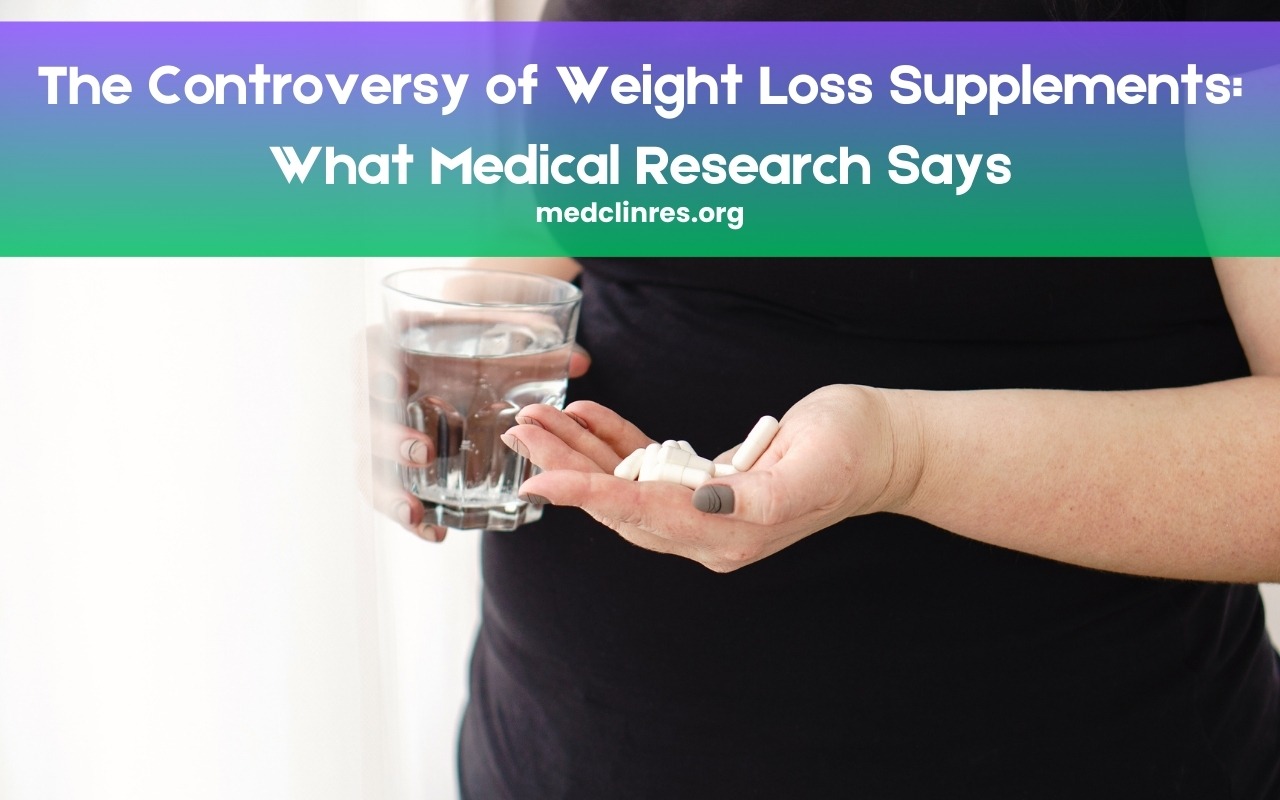
In today’s fast-paced society, the quest for effective weight loss solutions often leads individuals down the path of dietary supplements. Promising quick fixes with minimal effort, weight loss supplements have proliferated in the market, alluring consumers with their enticing advertisements. However, the reality behind these products is far more complex. The medical research surrounding weight loss supplements presents a critical examination of their efficacy, safety, and ethical implications. As more people grapple with obesity and weight-related health issues, understanding the science behind these supplements is crucial for making informed decisions.
Every year, millions of Americans engage in weight loss efforts, frequently turning to dietary supplements as a shortcut. The Centers for Disease Control and Prevention (CDC) reports that over 41% of American adults met the criteria for obesity from 2017 to 2020. This alarming statistic reflects not only the American lifestyle but also the urgency that accompanies the search for effective weight management strategies. As weight gain becomes increasingly prevalent, the allure of quick-fix solutions solidifies the expansion of the weight loss supplement industry, which continues to thrive despite growing evidence of its dubious claims.
An essential aspect of this discourse is understanding the various categories of weight loss supplements available. These products often fall into several categories, including stimulants, fat inhibitors, and appetite suppressants. Stimulants, such as phentermine, are designed to stimulate the central nervous system, increasing energy production while reducing overall appetite. On the other hand, fat inhibitors, like Orlistat, target the gastrointestinal tract to limit fat absorption from food. Appetite suppressants work on neurotransmitters in the brain to induce feelings of fullness, thus helping individuals consume fewer calories. Yet, despite their variations, no miracle pill has studied for its potential to achieve all the claimed effects without potential drawbacks.
The safety of dietary supplements poses another significant concern. Unlike medications, the U.S. Food and Drug Administration (FDA) does not require dietary supplements to undergo rigorous testing for safety and efficacy before they are marketed. Manufacturers are expected to ensure their products are safe and accurately labeled, but the lack of pre-market approval means that consumers often navigate a minefield of unverified claims. As a result, numerous supplements have come under scrutiny for containing unlisted or harmful ingredients, exemplifying the gaps in regulatory oversight that can jeopardize public health.
One prime example of dietary supplements that have faced backlash is the widely publicized raspberry ketone. Marketed as a weight-loss remarkable largely due to celebrity endorsements, this supplement surged in popularity without significant supporting evidence. A clinical trial involving raspberry ketone suggested weight loss among participants, but the study was small and lacked robust methodology. Furthermore, it combined multiple ingredients, making it impossible to isolate which element contributed to the weight loss observed. The reliance on such anecdotal evidence raises critical questions about the reliability of claims made by supplement manufacturers.
Another supplement that gained fame is green coffee bean extract, which became particularly popular due to endorsements from media personalities. Despite initial excitement fueled by a study indicating some weight loss among participants, further scrutiny revealed that the study was funded by the manufacturer. Moreover, subsequent research in animal models suggested that the key component, chlorogenic acid, may not prevent weight gain as claimed. This dissonance between initial positive reports and later findings illustrates the complex relationship between marketing, consumer expectations, and scientific validation.
In recent years, the landscape of weight loss medications has experienced a transformation with the introduction of prescription drugs such as Ozempic and Wegovy. These medications, although primarily approved for treating type 2 diabetes, mimic the effects of the hormone GLP-1 to suppress appetite, representing a more scientifically grounded approach to weight management. As evidence for the efficacy of these medications mounts, they are increasingly viewed as viable options for those struggling with obesity. However, the rise of weight loss drugs also brings ethical concerns regarding societal perceptions of weight and the stigma attached to obesity. Media portrayals that depict weight loss medications as easy shortcuts risk trivializing the genuine challenges faced by individuals who have battled weight issues for years.
The discussion surrounding weight loss supplements is further complicated by the growing prevalence of online sales and the lack of regulation in this domain. A significant portion of dietary supplements is sold through illegal websites, where consumers are often unaware of the serious health risks associated with these products. In fact, a study conducted by the Medicines and Healthcare Products Regulatory Agency (MHRA) revealed that nearly one-third of all diet pills sold online were flagged as illegal. Despite awareness of potential dangers, many consumers continue to purchase these products, highlighting the urgent need for comprehensive education about the risks associated with unregulated diet supplements.
In light of these challenges, individuals considering weight loss supplements should prioritize researching the product’s claims and safety. Seeking guidance from healthcare professionals can provide essential insights into the potential risks and benefits of specific supplements. A thorough examination of reputable sources, including those operated by organizations such as the U.S. Office of Dietary Supplements and the National Center for Complementary and Integrative Health, can aid consumers in making informed choices. Remember, the efficacy of weight loss supplements often hinges on individual factors, including lifestyle, diet, and overall health, emphasizing the importance of personalized approaches to weight management.
As we navigate the often confusing landscape of weight loss solutions, it becomes clear that the key to successful and sustainable weight loss lies not in quick fixes but in comprehensive lifestyle changes. While supplements may offer some benefits, they should complement a holistic approach that includes balanced nutrition and regular physical activity. Research consistently indicates that the most effective weight loss strategies focus on behavioral changes rather than relying solely on dietary supplements or medications.
Moreover, as obesity continues to be a pressing global health issue, the stigma attached to weight loss must be addressed. Acknowledging that obesity is a chronic disease, rather than a personal failure, can foster a more compassionate and supportive environment for those seeking to improve their health. As healthcare providers and society at large begin to embrace this perspective, individuals may feel more empowered to pursue long-term solutions that prioritize their well-being.
In conclusion, the controversy surrounding weight loss supplements is a multifaceted issue encompassing efficacy, safety, and ethical considerations. The allure of quick solutions cannot disguise the significant challenges and risks associated with these products. For those grappling with weight management, understanding the science behind supplements, staying informed through reputable sources, and engaging in personalized strategies will yield the most sustainable results. Recognizing that weight loss is a journey that requires time and dedication is essential, and with the right support and resources, individuals can achieve their health goals without falling prey to the pitfalls of misleading products.
For more insights on the impact of weight loss drugs and the complexities of weight management, consider exploring resources from the Mayo Clinic and HealthMatch. Embracing a holistic approach, combining education with lifestyle changes, can ultimately lead to a healthier and more fulfilling life.
Related Articles
- Natural GLP-1 & GIP Mimetics: Can They Support Healthy…
- The Connection Between Mental Health and Weight Loss Success
- Understanding the Glycemic Index: A Tool for Weight Manageme…
This article is for general information purposes only and does not constitute medical advice. Consult your doctor or qualified healthcare provider before making changes to your health routine.