Disclosure: This article may contain affiliate links. If you click a link and make a purchase, we may receive a commission at no additional cost to you. All opinions remain our own.
Navigating the world of dietary supplements can sometimes feel like deciphering a foreign language. With a plethora of options available, individuals seeking to enhance their health via supplements are often met with a dizzying array of labels, ingredients, and claims. Understanding how to read these labels effectively can empower consumers to make informed choices that align with their health goals. In this comprehensive guide, we will delve into the essential elements of supplement labels, the significance of each component, and the best practices for selecting the right products for your needs.
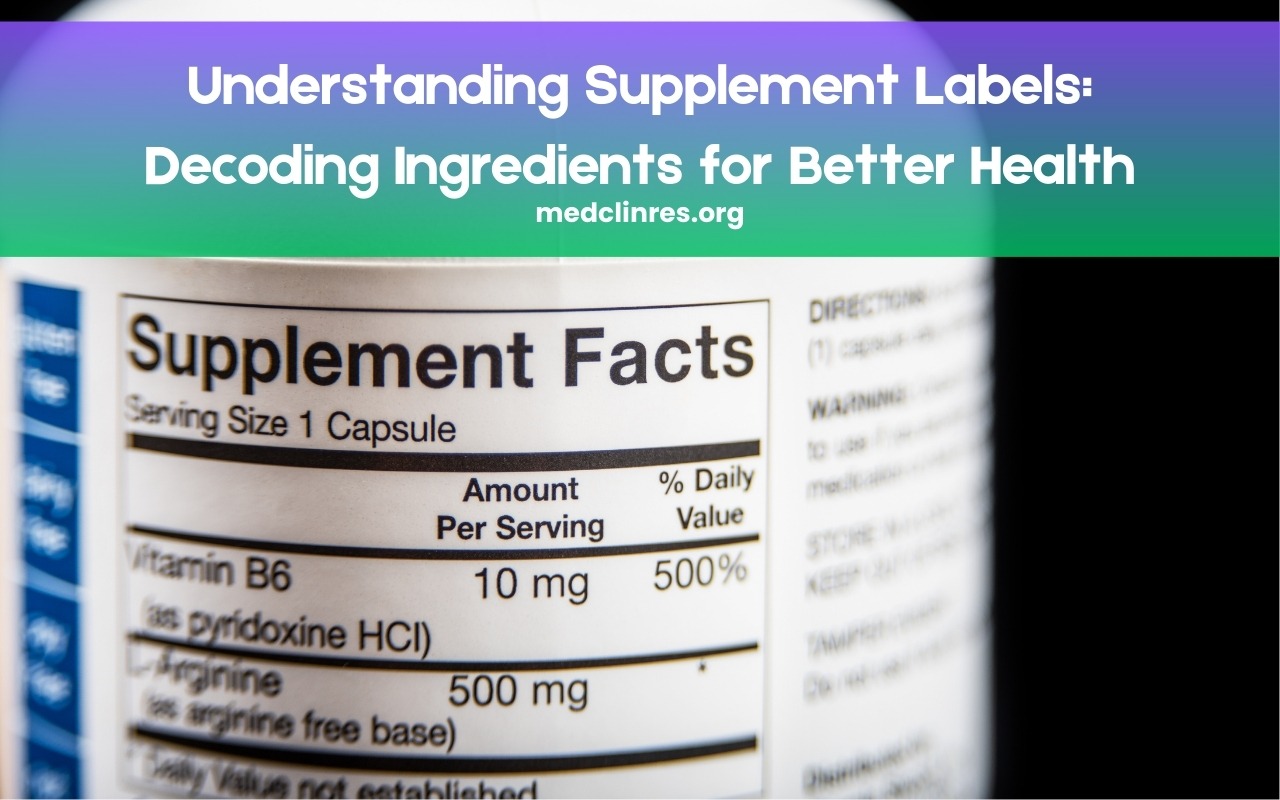
The first step in decoding supplement labels is to familiarize yourself with the layout and terminology. Most dietary supplements come equipped with a detailed label, prominently displaying the Supplement Facts panel. This panel serves as the foundation for understanding what you are putting into your body. It typically includes several critical sections such as serving size, amount per serving, and a complete ingredient list. By knowing what to look for, you can easily compare different products and make choices tailored to your health requirements.
One crucial aspect of the Supplement Facts panel is the serving size. This denotes the recommended amount of the supplement you should take at one time, whether it be a single tablet, capsule, or spoonful of powder. It is vital to adhere to this recommendation, as exceeding the suggested serving can lead to undesirable effects. The serving size is not a one-size-fits-all approach; it may vary depending on factors such as age, sex, health status, and specific health goals. Consulting with a healthcare professional is advisable to determine the appropriate serving size based on your unique circumstances.
Next, the panel reveals the amount per serving, detailing how much of each ingredient is present in a single serving. This section is crucial for understanding your daily nutritional intake. For instance, if a vitamin supplement claims to provide 100% of your daily value of Vitamin C, it is important to confirm that this amount is accurate and aligns with your dietary and health goals. The measurements are typically expressed in milligrams (mg), micrograms (mcg), or international units (IU), depending on the nutrient. Familiarizing yourself with these measurements is key to interpreting the label effectively.
One of the most significant elements of the Supplement Facts panel is the percentage of Daily Value (%DV). This figure indicates how much a specific nutrient in one serving contributes to your overall daily dietary requirements. The FDA has established daily values based on a 2,000-calorie diet, which serves as a general guideline. However, individual nutritional needs can vary greatly, so it’s essential to adjust these figures according to your specific health goals and dietary needs. When evaluating %DV, a higher percentage means you’re getting a more substantial contribution toward achieving your nutritional goals.
Another critical section is the ingredient list, which details all components contained within the supplement. Ingredients are typically listed in descending order by weight, so the first few items represent the most significant constituents of the product. It’s essential to scrutinize this list carefully. Look for active ingredients—the vitamins, minerals, herbs, or other compounds that contribute to the supplement’s intended effects. Understanding what each ingredient does can help you assess whether the product aligns with your wellness objectives.
Additionally, keep an eye out for inactive ingredients. These may include fillers, binders, colors, or artificial sweeteners. While these components typically serve a supportive role in the formulation, some may be allergens or additives that could negatively impact your health. Choosing products with minimal inactive ingredients, preferably those sourced from natural or organic origins, can enhance the overall quality of your supplement.
As you become more familiar with reading labels, it is also important to be aware of certain red flags that can indicate lower-quality products. For example, proprietary blends are common in many supplements. These blends consist of a mix of ingredients presented without specific quantities for each component. While companies often use proprietary blends to protect their formulas, they can make it challenging for consumers to discern the exact amounts of each ingredient. This lack of transparency can lead to uncertainty about the product’s efficacy and safety. Whenever possible, opt for brands that disclose the individual quantities of ingredients, ensuring that you know exactly what you’re consuming.
Another potential pitfall is exaggerated claims made by some supplement manufacturers. If a product promises miraculous results or sounds too good to be true, approach with caution. Look for realistic claims supported by scientific research, and be wary of products that contain vague language or terminology. Similarly, beware of hidden ingredients that may be added to enhance flavor or extend shelf life, such as sugars or unhealthy fats. A long list of unnecessary additives can detract from the overall quality of the supplement.
In light of this information, how can consumers effectively select the right supplements? First and foremost, it’s important to establish what you’re hoping to achieve with supplementation. Are you looking to enhance your energy levels, support muscle recovery, improve cognitive function, or fill nutritional gaps in your diet? Once you have a clear understanding of your goals, you can focus on products specifically designed to meet those needs.
As you embark on your supplement shopping journey, consider the following guidelines. Always check for third-party certifications, as these can indicate a level of quality assurance and safety. Certifications from organizations such as NSF International or the US Pharmacopeia (USP) confirm that the product has been tested for potency and purity. Products bearing these certifications are generally more trustworthy than others that lack such validation.
Additionally, pay attention to the source of ingredients. High-quality supplements typically use bioavailable forms of vitamins and minerals, ensuring that your body can absorb them effectively. The form of an ingredient can significantly affect its potency and absorption rate. For instance, certain minerals are more readily absorbed when they are chelated, while some vitamins may benefit from being taken alongside healthy fats. Choosing supplements that prioritize bioavailability can greatly enhance the efficacy of your regimen.
Moreover, consider the manufacturing practices of the brand you are purchasing from. Companies that adhere to good manufacturing practices (GMP) often provide better quality products. GMP certification indicates that the manufacturer follows strict guidelines to ensure the purity, strength, and quality of their supplements. Researching the brand’s reputation, customer reviews, and their return policy can also provide insight into the reliability of their products.
As you delve deeper into the world of dietary supplements, it’s essential to remember that these products are not a substitute for a healthy diet. They are intended to complement a balanced lifestyle, which includes a varied and nutritious diet, regular exercise, and sufficient sleep. Supplements can play a valuable role in filling nutritional gaps, particularly for individuals with specific dietary restrictions or heightened nutritional demands. For instance, pregnant women may require additional folic acid, while athletes may benefit from extra protein or amino acids to support recovery.
In conclusion, understanding supplement labels is a vital skill for anyone interested in enhancing their health through dietary supplements. By familiarizing yourself with the components of the Supplement Facts panel, recognizing the importance of active and inactive ingredients, and being mindful of potential red flags, you can make informed choices that align with your health goals. Always consult with healthcare professionals when in doubt about which supplements may be appropriate for your needs.
Empower yourself by taking charge of your health. With the right knowledge and tools at your disposal, you can navigate the vast supplement marketplace confidently and effectively. Remember, the journey toward better health is not just about the supplements you take, but also about the mindful choices you make every day. Your body deserves the best, and understanding what goes into it is the first step toward achieving optimal wellness.
For more detailed information on dietary supplements and their labeling, consider visiting the following resources: Fitties Blog and RL Food Testing Laboratory. These sites offer deeper insights into the importance of supplement transparency and quality, helping you to make empowered choices for your health journey.
Related Articles
- The Connection Between Mental Health and Weight Loss Success
- Why Sleep is Critical for Healthy Weight Loss
- Dietary Supplements for Eye Health: A Medical Insight into V…
- Dietary Supplements for Men’s Health: A Clinical Focus on Te…
*These statements have not been evaluated by the Food and Drug Administration. This product is not intended to diagnose, treat, cure, or prevent any disease. Always consult with a qualified healthcare professional before starting any new supplement or health program, especially if you have existing medical conditions or take prescription medications.