Disclosure: This article may contain affiliate links. If you click a link and make a purchase, we may receive a commission at no additional cost to you. All opinions remain our own.
Do you find yourself walking around with general weakness? Do your hands and feet feel overwhelmingly weighted, almost as if they are covered when they aren’t? If you relate to these symptoms, along with constant or erratic tingling, numbness, sharp, and/or burning pain, it is likely that you are experiencing nerve damage. Most often, people experience physical hindrances, with fewer people having to deal with internal consequences. Nerve damage can be caused by several reasons, with the main one being diabetes.
Elevated blood sugar increases the risk of free radicals and inflammation, reduces blood flow (thereby depriving nerves of essential nutrients), increases the buildup of AGEs, and gives rise to metabolic dysfunction. If these are all due to one condition, imagine the damage caused by the combination of factors. One team set out on a mission to develop a formula that promotes nerve regeneration, increases protective shields., It ensures overall maintenance of the nerves for the smooth transfer of signals. Without further delay, here’s an in-depth look at NeuroGenica.
In This Article
What is NeuroGenica?
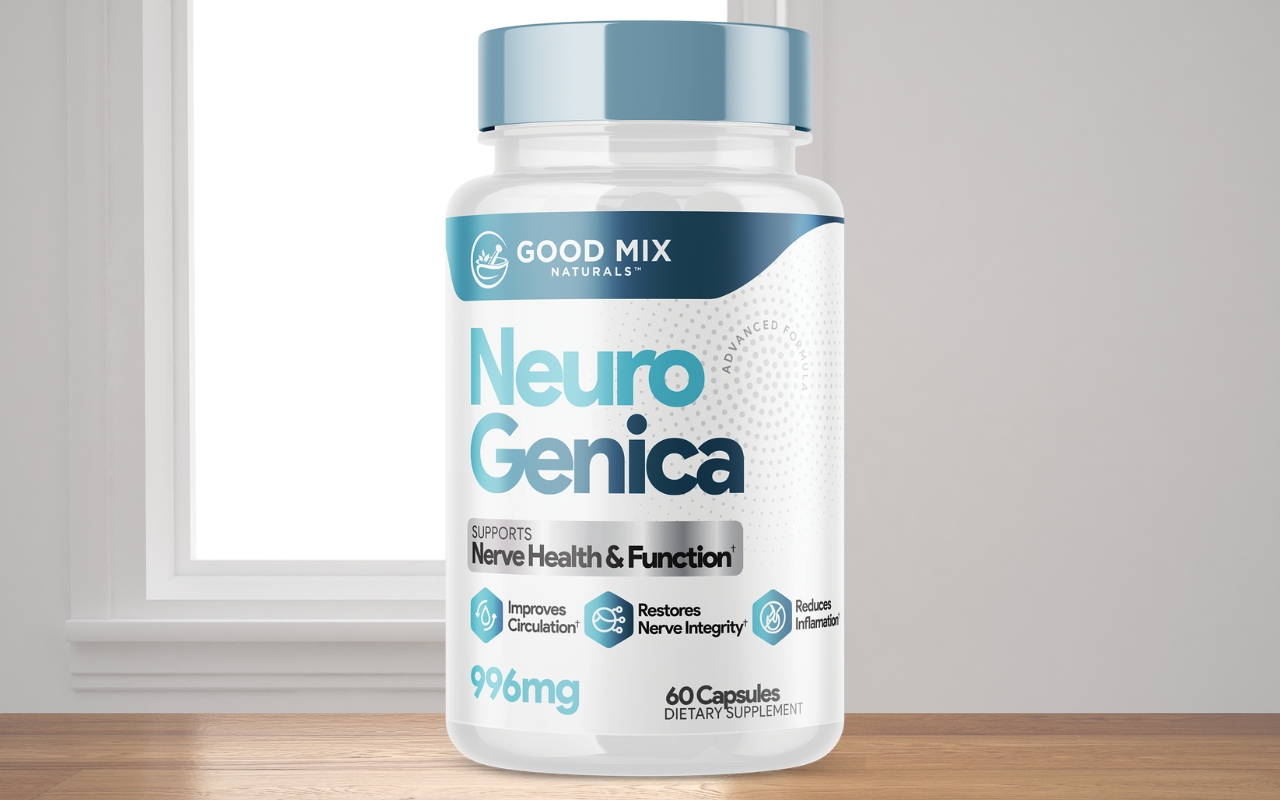
NeuroGenica is advertised as a nerve-repair formula created to ease symptoms of neuropathy, including tingling, burning, numbness, general pain, and lesser-known fatigue, irritability, and other mental health-related concerns. The creators of this formula insist that taking NeuroGenica as instructed can help lighten up every day, promoting optimal physical comfort and allowing individuals to reclaim many activities they feared would worsen their situation.
Given that NeuroGenica is a dietary supplement, individuals can immediately assume that either natural or lab-made ingredients have been selected. But before we get to the ingredients, our editorial team was curious about the creators’ strategy. Upon familiarizing ourselves with the strategy and existing evidence, it became clear that NeuroGenica works on a cellular level. Eager to learn how the nutrients come together to gradually ease neuropathic pain? That’s exactly where we are headed next.
Relieve nerve pain naturally—try NeuroGenica today!
How does NeuroGenica work?
NeuroGenica is formulated to repair and strengthen Schwann cells, which helps reverse nerve damage caused by neurotoxins. To explain this, the creators used the following analogy: nerves are like electrical wires that carry signals throughout the body. These wires are protected by a coating called myelin sheath, ensuring signals are traveling as they should. While all this is happening, we have electricians on standby for maintenance called Schwann cells. Apparently, the excess presence of toxic chemicals causes damage to Schwann cells.
When these “electricians” are impaired for extended periods, the myelin sheath doesn’t get the necessary maintenance. Over time, the myelin sheath deteriorates, eventually becoming like “frayed wires.” This causes electrical signals through the nerves to either slow down or stop completely, causing a series of symptoms ranging from tingling and burning sensations to numbness and sharp pains, all of which are attributed to neuropathy.
Ultimately, NeuroGenica aims to replenish and refuel Schwann cells, consequently rebuilding the protective layer and maintaining the flow of electrical signals. With this picture in mind, let’s delve into the ingredients list.
What ingredients are in NeuroGenica?
The main ingredients in NeuroGenica, combined in a 996 mg proprietary blend, are:
Benfotiamine
Benfotiamine is a dietary supplement that gets converted into vitamin B1 (or thiamine) in the body. It is mainly responsible for converting nutrients into usable energy and supporting healthy brain function. According to the same source, benfotiamine contains antioxidant and anti-inflammatory properties and might be helpful for diabetic neuropathy (or nerve pain in people with diabetes). The latter condition is characterized by the negative effect of high blood sugar levels on blood vessels. Symptoms typically include “pain or diminished sensation in the feet, burning or shooting pains in the lower legs, balance and coordination problems.”
Often, people with diabetic neuropathy have damaged neurons, Schwann cells, and blood vessels within the nerve. As noted earlier, Schwann cells are crucial, as they provide support to the structural and functional integrity of nerves. Therefore, any damage to them could give rise to neurological diseases and metabolic consequences. One possible reason it might ease nerve pain is its ability to block advanced glycation end-products (AGEs), which in turn might reduce inflammation, prevent nerve damage, and improve nerve function.
Interestingly, a thiamine deficiency is also known for triggering nerve pain. Therefore, consumption is thought to ease some of the associated symptoms. However, clinical evidence is minimal on this stance. Of the existing studies, one reported that daily consumption (300 mg twice a day) over a period of time might improve neuropathy symptoms. Anything less might be meaningless. A more recent review on the role of “Neurotropic B Vitamins” included thiamine as one. Why?
Like its peers, it has been demonstrated to protect nerves against the damaging effects of environmental pollutants, act as a “site-directed antioxidant,” and use carbohydrates for energy. The researchers also pointed out that nerve injuries are generally linked to an imbalance between protective factors and increasing stress, adding that the presence of vitamins B1, B6, and B12 is critical for nerve regeneration.
Restore comfort and mobility with NeuroGenica—shop now!
Riboflavin
Riboflavin, also known as vitamin B2, is just like the other 7 B vitamins in that it converts carbohydrates into glucose, essential for energy production. Aside from the aforementioned, vitamin B2 specifically works as an antioxidant, helping to neutralize the damaging effects of free radicals on cells, DNA, the aging process, and other health aspects. A riboflavin deficiency has been linked to a series of symptoms, some of which include fatigue, slowed growth, digestive concerns, cracked lips and sores around the mouth, and sensitivity to light.
One animal study looked at the relationship between riboflavin deficiency-related neuropathy and demyelination. Demyelination occurs when axons lose their protective layer, the myelin sheath. The absence or, more realistically, damage to this protective layer might lead to neurological disorders and, eventually, disrupted nerve signals. According to the animal study, replenishing riboflavin intake stopped the demyelination process from advancing further and encouraged repair and regrowth of the myelin sheath.
Vitamin C
Vitamin C is a water-soluble vitamin and powerful antioxidant found in citrus fruits, broccoli, and tomatoes. Since the body doesn’t store this nutrient, individuals need to ensure their daily requirements are met, especially considering the fact that it is needed for the growth and repair of tissues throughout the body. One source explained that vitamin C is extremely crucial for Schwann cells, as it helps to myelinate peripheral nerve axons during development and remyelination after injury. In other words, its role is similar to that of riboflavin. For a long time, the underlying mechanism was unclear.
In particular, the researchers found that vitamin C promotes myelination (or the creation of protective shields around the axons of nerve cells) through two main mechanisms. First, by activating the genes involved in myelination, and second, by stabilizing collagen, which creates a supportive structure for the formation and overall maintenance of the myelin sheath.
Don’t let nerve damage slow you down. Get NeuroGenica today!
Methylcobalamin
Methylcobalamin is an active form of vitamin B12. It has been predominantly used to treat different types of diseases. One of its main roles entails protecting neurons by helping regenerate injured nerves. Moreover, the researchers stressed the existence of several studies through which it has been discovered that vitamin B12 might exhibit analgesic effects. An example involves alleviating pain in people with diabetic neuropathy, lower back pain, and neuralgia (i.e., pain caused by irritation or damage to the nerves).
A review that covered the molecular pharmacological action of vitamin B12 focused on its potential for treating chronic peripheral neuropathic pain. The reason for this has to do with vitamin B12’s ability to stimulate “Schwann cell differentiation, improve nerve conduction velocity, [and] boost the secretion of brain-derived neurotropic factors (BDNFs).” Together, these factors are believed to positively contribute to axon regeneration. Other listed reasons include vitamin B12’s role in reducing inflammation and controlling peripheral and ganglionic sensitization (otherwise, both can lead to increased pain).
Phosphatidylcholine
Phosphatidylcholine is a naturally occurring chemical in eggs, red meat, and whole grains. More specifically, it is a phospholipid attached to a choline particle, where the former consists of fatty acids, glycerol, and phosphorus. The creators of NeuroGenica claim to have added this ingredient for brain function and cognition. This chemical might prevent a decline in memory and thinking ability and protect the brain. Another source highlighted the specifics of phosphatidylcholine’s function, explaining that the body uses it to create a chemical called acetylcholine.
In turn, acetylcholine might ease symptoms of “brain-centered” conditions, such as “memory loss, Alzheimer’s disease, anxiety, manic-depressive disorders [and] tardive dyskinesia.” To drive home the main point, phosphatidylcholine also works on a neuronal level. This means a potential increase in the population of healthy normal neurons, reparation of damaged neurons, and modulation of neuronal plasticity, all of which are imperative for neurogenesis and brain health, learning, and memory.
Folic Acid
Folic acid is a water-soluble, lab-made version of vitamin B9. For those of you who have heard of the term “folate,” it encompasses all forms of vitamin B9, including folic acid and 5-MTHF, writes one piece. Having said that, both nutrients are used in supplements for the same conditions; the differences lie in how they are metabolized in the body and influence their various components. One team of researchers examined the combined effects of citrate and folic acid. While citrate has been a building block for nerve scaffolds, they firmly believe that adding folic acid to the mix is beneficial for its ability to induce regeneration and support neuronal growth.
Regarding their strategy, they deployed a graft that uses citrate and folic acid, which further enhanced nerve regeneration. One researcher from this team was referenced, stating that folic acid’s role in regulating cell metabolism serves as the basis for stem cell differentiation needed for tissue regeneration. They also added that folic acid helps “attract Schwann cells and other building blocks of the regeneration pathway” and simultaneously stimulates stem cells to fill in gaps created by injury.
Heal from the inside out with NeuroGenica. Order now!
Frequently Asked Questions (FAQ)
Q: How is NeuroGenica different from painkillers?
A: The creators do not see any value in painkillers because they believe such prescription drugs are used to temporarily mask symptoms while ignoring the root cause and potentially creating dependence. NeuroGenic, on the other hand, might offer more than temporary relief by getting to the root of nerve pain. As mentioned at different points throughout this review, NeuroGenica strengthens Schwann cells, which in turn helps with myelination and smoother flow of electrical signals.
Q: Is NeuroGenica safe?
A: The creators assert that NeuroGenica is generally safe to take because the ingredients are primarily renowned B vitamins that the body is accustomed to. The formula underwent strict and sterile manufacturing processes in an FDA-registered, GMP-certified facility based in the United States. Finally, the creators claim to have avoided gluten, dairy, soy, or genetically modified ingredients. All things considered, individuals need to be extra careful, especially if they are taking prescription medications. As always, consulting a healthcare professional is a great first step.
Q: Are there any side effects to taking NeuroGenica?
A: While the risk of side effects is supposedly small, individuals are accountable for doing their due diligence. If, after doing research, individuals identify even a minor risk of side effects, it’s best to consult a healthcare professional for a second opinion or avoid NeuroGenica altogether.
Q: How should NeuroGenica be taken?
A: The recommended serving size is 2 NeuroGenica capsules with an adequate source of water.
Q: What are the benefits of taking NeuroGenica?
A: According to the creators, NeuroGenica can help ease nerve pain, restore comforting sensation in the hands and feet, promote nerve repair and healing, boost energy levels, and potentially sharpen the mind.
Q: How long will it take to see results with NeuroGenica?
A: According to the creators, results could take as little as 3 days, depending on the severity of one’s pain. For the best possible outcomes, individuals are recommended to continue NeuroGenica for at least 60 days before assessing its effectiveness.
Q: What is the estimated arrival time for NeuroGenica shipments?
A: The estimated arrival time for NeuroGenica shipments ranges between 5 and 7 business days for U.S. residents and a minimum of 10 business days elsewhere in the world. The best way to confirm where NeuroGenica currently ships is to contact customer support.
Q: Does a money-back guarantee protect NeuroGenica?
A: Yes, NeuroGenica is protected by a 60-day money-back guarantee. If, within the first 60 days from the purchase date, individuals feel no difference in their neuropathic pain, cognition, or mood, customer service can be reached for a full purchase price refund. For the finer details of the refund policy, consider reaching out in one of the following ways:
- Product support: 1-877-202-3081
- Mailing address: 285 Northeast Avenue, Tallmadge, OH 44278.
Reclaim your life from nerve pain—try NeuroGenica now!
How much does NeuroGenica cost?
The current NeuroGenica pricing is based on the number of bottles selected at checkout. Here is a quick rundown of the prices (which might be subject to change in the future):
- 1 NeuroGenica bottle: $69 each + applicable shipping fee
- 3 NeuroGenica bottles: $49 each + free domestic shipping
- 6 NeuroGenica bottles: $39 each + free domestic shipping

The creators are also throwing in two lifestyle guides for free to encourage bulk purchases—imperative for nerve regeneration, myelination, and Schwann cell functioning. These, which aim to complement the supplement via lifestyle choices and movement, include:
- Bonus #1. Reclaim Your Night
- Bonus #2. Taming the Shocks
Final Thoughts
From the analysis above, it should be clear that NeuroGenica is a nerve-rejuvenating, regenerating, and maintaining dietary supplement. It boasts a rich source of B vitamins that help convert carbohydrates into usable energy, limit the presence of AGEs, and support Schwann cells. As introduced much earlier, these cells are agents that must be in top shape for the healthy transfer of electrical signals. When these cells are damaged, individuals are at risk of demyelination or the deterioration or complete loss of myelin sheath.
Recall the electrical wiring from earlier? It must be functioning to allow electrical signals to travel along the nerves. Frayed wires only slow down or halt signals altogether, causing an onset of pain triggers. Several studies have validated this strategy, giving NeuroGenica a competitive edge. Moreover, the selected ingredients appear to get to the root of nerve damage (i.e., damaged Schwann cells and/or loss of myelin sheath) or ease symptoms of neuropathic pain.
Research on NeuroGenica’s components points to a strong foundation. That said, it’s still unclear which specific causes of neuropathic pain this supplement targets. Given the underlying role of B vitamins, we suspect that it is tailored to people with diabetic neuropathy, but this needs to be confirmed with customer service. Does the cause really matter if the symptoms are comparable? This is definitely something worth discussing with a healthcare professional. All in all, NeuroGenica seems to have a lot of potential.
Visit the product page to learn more today!
Comparing options? Magnesium Niacinamide Relief is a different approach some readers try: a topical cream rubbed in where it hurts, rather than a capsule. See Magnesium Niacinamide Relief details.
Related Articles
- Health Benefits of Medicinal Mushrooms: A Research-Based App…
- Turmeric for Weight Loss Recipe: A Science-Backed Approach t…
- Natural GLP-1 & GIP Mimetics: Can They Support Healthy…
- The Safety of Weight Loss Supplements: A Medical Overview
*These statements have not been evaluated by the Food and Drug Administration. This product is not intended to diagnose, treat, cure, or prevent any disease. Always consult with a qualified healthcare professional before starting any new supplement or health program, especially if you have existing medical conditions or take prescription medications.
This article is for general information purposes only and does not constitute medical advice. Consult your doctor or qualified healthcare provider before making changes to your health routine.