Clicky

Kratom Benefits in Traditional and Modern Medicine: A Scientific Perspective

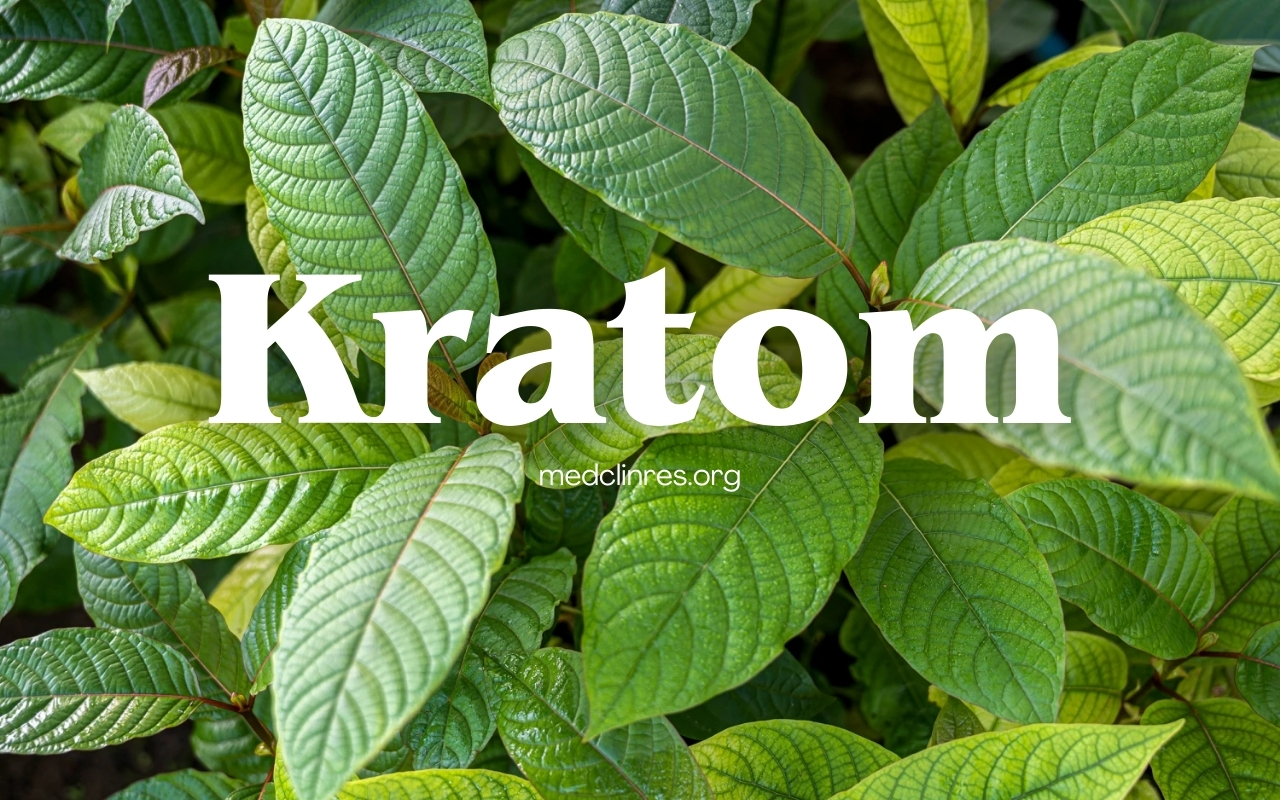
Kratom (Mitragyna speciosa) is a plant native to Southeast Asia that has been used for centuries in traditional medicine. Historically, kratom leaves were chewed or brewed into tea to manage pain, fatigue, and digestive issues. Today, kratom is gaining attention in modern wellness and medical research, particularly for its potential analgesic, mood-enhancing, and opioid-withdrawal properties.

At MedClinRes.org, our approach is centered on scientific analysis, clinical data, and evidence-based wellness strategies. This article explores kratom’s historical uses, modern applications, pharmacological effects, and current medical research to assess its potential benefits and risks.

Research Summary: Kratom (Mitragyna speciosa)

Category: Herbal Supplement / Traditional Medicine
Key Active Compounds: Mitragynine, 7-hydroxymitragynine, alkaloid compounds
Price Range: Not disclosed
Refund Policy: Not disclosed
Evidence Grade: Moderate — Johns Hopkins 2020 study supports pain relief efficacy (86% user-reported relief), though further clinical trials are needed for definitive validation.
Mechanism of Action: Alkaloids bind to opioid receptors with distinct activation pathways, additionally engaging dopaminergic and noradrenergic pathways, with dose-dependent effects ranging from stimulation to sedation.
Safety Considerations: Lower respiratory depression risk than opioids; potential for mild dependency with long-term use; full contraindication profile and side effect data not fully characterized in clinical literature.

The Traditional Use of Kratom in Herbal Medicine

In regions like Thailand, Malaysia, and Indonesia, kratom has been traditionally used for:

  • Pain relief – As a natural analgesic for muscle aches and joint pain.
  • Energy and focus – Laborers chewed kratom leaves to sustain endurance.
  • Digestive health – Used as a remedy for diarrhea and stomach issues.
  • Relaxation and mood regulation – Certain kratom strains were taken to ease anxiety and improve well-being.

While traditional medicine acknowledges kratom’s therapeutic properties, modern science is working to validate these claims through controlled research and clinical trials.

The Pharmacological Mechanism of Kratom: How It Works

Kratom contains mitragynine and 7-hydroxymitragynine, two alkaloids that interact with opioid receptors in the brain. Their effects vary depending on dosage:

  • Low doses (1-5g): Stimulant-like effects, increased alertness and focus.
  • Moderate doses (5-10g): Mild analgesic effects, euphoria, and relaxation.
  • High doses (>10g): Opioid-like sedation and pain relief.

How Kratom Differs from Traditional Opioids

Unlike opioids, kratom binds to opioid receptors with a different activation pathway, reducing the risk of respiratory depression, the primary cause of opioid overdose. However, kratom does activate dopaminergic and noradrenergic pathways, which may contribute to mild dependency with long-term use.

Modern Medical Research on Kratom’s Potential Benefits

1. Kratom for Pain Management

Research suggests that kratom may provide effective pain relief without the severe side effects of opioids. A 2020 study from Johns Hopkins University found that among kratom users:

  • 86% reported pain relief comparable to prescription analgesics.
  • Lower side effect profiles were observed compared to opioids.
  • 7-hydroxymitragynine was identified as the most potent pain-relieving compound in kratom.

These findings highlight kratom’s potential role as an alternative to opioids for chronic pain management, but further clinical trials are needed.

2. Kratom for Mood Enhancement and Anxiety Relief

Anecdotal evidence and preliminary studies suggest that kratom has mood-lifting properties. Some reported benefits include:

  • Reduced anxiety and stress.
  • Enhanced motivation and focus.
  • Increased sociability and relaxation.

Kratom’s interaction with serotonin and dopamine receptors may explain these effects. However, human clinical trials are required to confirm kratom’s antidepressant potential.

3. Kratom for Opioid Withdrawal and Addiction Recovery

Kratom has been explored as a harm reduction tool for individuals trying to transition off opioids. A 2020 study from Johns Hopkins University found that among 2,798 surveyed kratom users:

  • 87% experienced relief from opioid withdrawal symptoms.
  • 80% reported reduced opioid cravings.
  • 79% remained opioid-free with continued kratom use.

While these results are promising, the risk of kratom dependence must be carefully considered. Some individuals develop a physical reliance on kratom, experiencing withdrawal symptoms similar to mild opioid withdrawal.

Potential Risks and Side Effects of Kratom

1. Kratom Dependency and Withdrawal

While kratom is not classified as a traditional opioid, long-term use can lead to mild dependency. Reported withdrawal symptoms include:

  • Irritability and mood swings.
  • Insomnia and restlessness.
  • Nausea and digestive discomfort.
  • Anxiety and cravings.

A 2019 study in Drug and Alcohol Dependence found that 9% of surveyed kratom users met criteria for moderate-to-severe dependence. This underscores the need for responsible kratom use and proper dosing.

2. Quality Control and Product Safety

Since kratom is not FDA-regulated, concerns about product purity and safety remain. Market analysis has revealed:

  • Heavy metal contamination (lead, arsenic).
  • Bacterial contamination, including salmonella outbreaks traced to kratom products.
  • Adulteration with synthetic opioids or other drugs, increasing risk factors.

3. Reported Health Risks

Although kratom is less likely to cause overdose fatalities, it has been linked to adverse effects, including:

  • Liver toxicity in chronic users.
  • High blood pressure and cardiovascular effects.
  • Seizures, particularly when combined with other substances.

According to FDA reports, kratom-related fatalities have been recorded, though many cases involved poly-drug interactions with opioids, benzodiazepines, or alcohol.

The Legal and Regulatory Landscape of Kratom

Kratom’s legal status varies across different countries and U.S. states. In the United States, kratom is classified as a dietary supplement under the Dietary Supplement Health and Education Act (DSHEA) of 1994, meaning it is not subject to FDA approval.

  • Banned in: Alabama, Arkansas, Indiana, Rhode Island, Vermont, Wisconsin.
  • Regulated in: Arizona, Georgia, Nevada, Utah (subject to purity and quality regulations).
  • Unregulated in many states, leading to concerns about product inconsistency.

Internationally, kratom is banned or heavily restricted in Australia, Sweden, Denmark, Japan, and Malaysia, while Thailand has recently legalized kratom for medical use.

The Future of Kratom in Modern Medicine

1. The Need for Clinical Trials and Standardized Research

Despite promising findings, kratom research is still in its early stages. To establish kratom as a recognized medical treatment, research must:

  • Conduct randomized controlled trials (RCTs) to validate safety and efficacy.
  • Develop standardized dosing guidelines to minimize risks.
  • Investigate long-term health impacts and interactions with other medications.

2. Could Kratom Be Integrated into Conventional Medicine?

For kratom to gain acceptance in mainstream medicine, efforts should focus on:

  • Developing pharmaceutical-grade kratom extracts with controlled alkaloid content.
  • Exploring kratom’s potential role in pain clinics and addiction treatment centers.
  • Enhancing product safety through quality control and regulatory oversight.

Conclusion: What Does the Science Say About Kratom?

Kratom holds promise as a natural remedy for pain relief, mood enhancement, and opioid withdrawal, but significant research gaps remain. At MedClinRes.org, we emphasize scientific rigor, clinical validation, and responsible wellness strategies. Based on current data:

  • Kratom may serve as an alternative to opioids for pain relief, but further clinical trials are needed.
  • Kratom may help some individuals manage opioid withdrawal, but its potential for dependency must be considered.
  • Regulatory oversight is crucial to ensuring product purity and consumer safety.

Final Takeaway:

While kratom remains an intriguing natural compound, medical supervision, responsible use, and continued research are essential to understanding its full potential and risks in both traditional and modern medicine.

Related: Kratom, Opioids, and Addiction Recovery

*These statements have not been evaluated by the Food and Drug Administration. This product is not intended to diagnose, treat, cure, or prevent any disease. Always consult with a qualified healthcare professional before starting any new supplement or health program, especially if you have existing medical conditions or take prescription medications.

Kratom, Opioids, and Addiction Recovery: What Medical Research Says

The opioid crisis continues to challenge healthcare providers and researchers, pushing the need for effective treatment options beyond traditional medication-assisted therapies (MATs) like methadone and buprenorphine. One emerging alternative that has gained significant attention is kratom, a botanical supplement derived from the leaves of Mitragyna speciosa, a tree indigenous to Southeast Asia. Kratom has been widely discussed for its potential in alleviating opioid withdrawal symptoms, reducing cravings, and managing chronic pain.

At MedClinRes.org, we are committed to exploring evidence-based solutions that can improve addiction recovery and harm reduction strategies. This article provides a comprehensive, research-driven analysis of kratom’s role in addiction treatment, its risks, and the current regulatory landscape.

Research Summary: Kratom

Category: Botanical supplement derived from Mitragyna speciosa tree leaves
Key Active Compounds: Mitragynine, 7-hydroxymitragynine, alkaloid compounds
Price Range: Not disclosed
Refund Policy: Not disclosed
Evidence Grade: Moderate — multiple survey studies document symptom relief (87% withdrawal, 80% craving reduction) but limited regulatory oversight and dependence risks warrant cautious interpretation.
Mechanism of Action: Alkaloids interact with opioid receptors in the brain, producing dose-dependent stimulant effects at low doses and sedative/analgesic opioid-like effects at higher doses.
Safety Considerations: Long-term use may cause dependence, withdrawal symptoms (insomnia, agitation, anxiety), gastrointestinal discomfort, escalating tolerance, and lack of FDA regulatory oversight.

Understanding Kratom: Mechanisms and Effects

Kratom contains mitragynine and 7-hydroxymitragynine, two alkaloids that interact with opioid receptors in the brain, producing both stimulant and opioid-like effects depending on the dose. At low doses, kratom acts as a mild stimulant, increasing energy and focus. At higher doses, it exhibits sedative and analgesic properties, mimicking the effects of opioids.

These pharmacological properties have led many to explore kratom as an alternative to conventional opioids, especially in managing chronic pain and opioid withdrawal symptoms. However, kratom’s complex pharmacology also raises concerns about dependence, potential toxicity, and lack of regulatory oversight.

Kratom as a Harm Reduction Tool: What Research Says

1. Kratom’s Role in Opioid Withdrawal and Recovery

Several surveys and studies suggest that kratom may help individuals transition away from prescription opioids and illicit drugs. In a 2020 study conducted by Kirsten Smith and her colleagues at Johns Hopkins University, participants who used kratom for opioid withdrawal reported high rates of symptom relief:

  • 87% found kratom effective in alleviating withdrawal symptoms
  • 80% reported reduced opioid cravings
  • 86% experienced pain relief

These findings align with anecdotal evidence from individuals who claim that kratom provided a viable alternative when conventional treatments like methadone and buprenorphine were inaccessible or ineffective.

2. Addiction Potential and Dependence Risks

While kratom appears to offer harm reduction benefits, it is not without risks. Research indicates that long-term kratom use can lead to dependence, with withdrawal symptoms resembling those of traditional opioids. A study published in Frontiers in Pharmacology in 2021 documented cases of kratom dependence, withdrawal, and escalating tolerance, with some individuals reporting symptoms such as:

  • Increased dosage requirements over time
  • Insomnia, agitation, and anxiety upon discontinuation
  • Gastrointestinal discomfort and loss of appetite

Despite these concerns, many harm reduction advocates argue that kratom dependence is far less severe than opioid addiction, and when used responsibly, it poses a lower risk of overdose compared to heroin, fentanyl, and prescription opioids.

3. Potential Health Risks and Adverse Effects

In high doses, kratom can lead to severe health complications, particularly when taken in extract form or combined with other substances. Clinical reports have documented cases of:

  • Liver toxicity in individuals consuming high-dose kratom extracts
  • Seizures and cardiac events in users with high tolerance
  • Respiratory depression, though at significantly lower rates than opioids

A notable case involved Krypton, a contaminated kratom product that caused nine fatalities in Sweden due to adulteration with O-desmethyltramadol, a potent opioid. This highlights the urgent need for better regulation and quality control in the kratom industry.

The Regulatory Landscape: How Kratom is Managed in the U.S. and Abroad

Kratom’s legal status remains highly debated, with significant differences in regulatory approaches between countries and even within U.S. states.

U.S. Regulation: A Complex Challenge

In the United States, kratom is regulated as a dietary supplement under the Dietary Supplement Health and Education Act (DSHEA) of 1994. This classification allows kratom to be sold without pre-market approval from the FDA, meaning there are limited safety evaluations before products reach consumers.

The FDA and DEA have expressed concerns about kratom’s safety, with the DEA attempting to classify it as a Schedule I controlled substance in 2016. However, public backlash and advocacy efforts led to a withdrawal of the ban, leaving regulation to individual states.

Several states have implemented their own kratom policies:

  • Banned: Alabama, Arkansas, Indiana, Rhode Island, Vermont, Wisconsin
  • Regulated: Arizona, Georgia, Nevada, Utah (requiring quality standards and age restrictions)
  • Unregulated: Most other states, where kratom remains legally available

Global Regulation: Stricter Oversight in Other Regions

In contrast to the relaxed regulatory approach in the U.S., many other nations have imposed strict controls on kratom:

  • Banned: Australia, Sweden, Denmark, Finland, Japan, and Malaysia
  • Heavily restricted: Thailand (where it was illegal for decades before limited medical use was permitted)
  • Tightly regulated but available: European Union, China (subject to food safety and supplement laws)

The European Union, through the European Food Safety Authority (EFSA), requires kratom manufacturers to adhere to stringent safety and labeling requirements, ensuring greater transparency for consumers.

The Future of Kratom in Addiction Treatment and Harm Reduction

The scientific community remains divided on whether kratom should be widely adopted in addiction recovery programs. Advocates argue that, much like methadone and buprenorphine, kratom serves as a harm reduction tool, reducing opioid-related mortality. Critics highlight the risks of dependence and lack of standardization, which could lead to inconsistent efficacy and safety profiles.

Key Questions for Future Research:

  • Can kratom be standardized to ensure safer consumption?
  • What are the long-term health effects of kratom use?
  • How does kratom compare to FDA-approved opioid addiction treatments in clinical trials?
  • Could medical supervision improve kratom’s safety profile and effectiveness?

Conclusion: A Balanced Perspective on Kratom’s Role in Addiction Recovery

Kratom presents a complex but promising alternative for individuals struggling with opioid dependence. While emerging research supports its use as a harm reduction tool, significant gaps in safety data, regulation, and medical supervision must be addressed.

At MedClinRes.org, we advocate for evidence-based, patient-centered approaches to addiction recovery. Moving forward, a regulated and research-driven framework is necessary to maximize kratom’s potential benefits while minimizing risks.

Final Takeaway: Until further studies clarify kratom’s safety, efficacy, and role in addiction recovery, individuals considering its use should consult healthcare professionals, ensure product quality from reputable sources, and remain informed on state and federal regulatory changes.

Also Read: Red, Green, or White Vein Kratom?

*These statements have not been evaluated by the Food and Drug Administration. This product is not intended to diagnose, treat, cure, or prevent any disease. Always consult with a qualified healthcare professional before starting any new supplement or health program, especially if you have existing medical conditions or take prescription medications.

Maqui Berry Benefits and Uses: A Science-Backed Superfruit for Health and Wellness

Maqui berry (Aristotelia chilensis) is an exotic, dark-purple fruit native to South America, primarily harvested by the indigenous Mapuche people of Chile. Historically used for its medicinal properties, maqui berry has garnered attention in the scientific community for its exceptionally high antioxidant content and potential health benefits. This article explores the science-backed benefits and applications of maqui berry, examining its role in inflammation reduction, heart health, blood sugar control, gut microbiome support, and more.

Research Summary: Maqui Berry (Aristotelia chilensis)

Category: Botanical Supplement / Superfruit
Key Active Compounds: Anthocyanins, Delphinol, Flavonoids
Price Range: Not disclosed
Refund Policy: Not disclosed
Evidence Grade: Moderate to Strong — Multiple clinical and epidemiological studies demonstrate antioxidant, anti-inflammatory, and cardiovascular benefits.
Mechanism of Action: Neutralizes free radicals and modulates inflammatory pathways through anthocyanin-mediated antioxidant activity.
Safety Considerations: Not disclosed in article; no contraindications mentioned.

1. A Potent Source of Antioxidants

Oxidative stress, caused by free radicals, has been linked to chronic diseases such as cardiovascular disease, cancer, and neurodegenerative disorders. Antioxidants play a crucial role in neutralizing these free radicals, mitigating their harmful effects.

Maqui berry is one of the richest sources of anthocyanins, a class of flavonoids with strong antioxidant properties. Studies indicate that maqui berries contain up to three times more antioxidants than other berries, including blackberries, blueberries, strawberries, and raspberries. Clinical research has demonstrated that individuals supplementing with maqui berry extract showed significantly reduced markers of oxidative stress, reinforcing its potential as a dietary antioxidant powerhouse.

2. Anti-Inflammatory Properties

Chronic inflammation is a key contributor to several health conditions, including heart disease, arthritis, type 2 diabetes, and respiratory disorders. Emerging evidence suggests that maqui berry contains bioactive compounds capable of modulating inflammatory pathways.

Test-tube and clinical studies have highlighted the anti-inflammatory effects of maqui berry extracts. Delphinol, a concentrated maqui berry supplement, has been shown to reduce inflammation in blood vessels, potentially lowering the risk of cardiovascular diseases. Furthermore, a two-week study observed a significant reduction in lung inflammation markers among smokers who supplemented with maqui berry extract. These findings support the inclusion of maqui berry in an anti-inflammatory diet.

3. Cardiovascular Health Support

Anthocyanins, the predominant antioxidants in maqui berries, have been linked to improved heart health. Epidemiological studies have shown that higher dietary anthocyanin intake is associated with a decreased risk of cardiovascular events, including heart attacks and hypertension.

A large-scale study on young and middle-aged women found that diets rich in anthocyanins were associated with a 32% lower risk of heart attacks. Another study linked anthocyanin consumption to a 12% reduced risk of high blood pressure. Clinical trials suggest that maqui berry extract may help lower LDL cholesterol levels, further supporting cardiovascular function and reducing atherosclerosis risk.

4. Blood Sugar Regulation

Maqui berry may aid in maintaining healthy blood glucose levels, particularly in individuals with prediabetes or insulin resistance.

Preliminary studies suggest that bioactive compounds in maqui berry improve carbohydrate metabolism, enhancing glucose uptake and reducing postprandial blood sugar spikes. A clinical trial demonstrated that participants with prediabetes who consumed maqui berry extract experienced a 5% reduction in average blood sugar levels—sufficient to bring levels into a normal range. These findings highlight maqui berry’s potential role in diabetes prevention and metabolic health.

5. Eye Health Protection

Daily exposure to blue light from screens, sunlight, and artificial lighting can contribute to oxidative damage in the eyes, accelerating age-related vision decline. Maqui berry’s potent antioxidant profile may help protect ocular health by reducing light-induced cellular damage.

A test-tube study found that maqui berry extract protected eye cells from oxidative stress caused by excessive light exposure. While concentrated extracts show promise, further research is needed to confirm whether consuming whole maqui berries yields similar protective effects.

6. Gut Microbiome Support

The gut microbiome plays a fundamental role in digestion, immune function, and overall health. An imbalance in gut bacteria, characterized by an overabundance of harmful microbes, has been associated with various chronic diseases.

Emerging research suggests that plant compounds found in maqui berry promote the growth of beneficial gut bacteria. These compounds serve as prebiotics, fostering a diverse and healthy microbiome that can contribute to improved digestion and immune system resilience. Future studies should further investigate maqui berry’s impact on gut microbiota composition and function.

7. Additional Potential Health Benefits

Beyond its established health advantages, maqui berry shows promise in several other areas:

Anticancer Potential

Laboratory studies indicate that maqui berry extract may inhibit cancer cell proliferation, suppress tumor growth, and induce apoptosis (programmed cell death) in certain cancer cell lines. While these findings are promising, more extensive research in humans is necessary to validate these effects.

Anti-Aging Properties

Ultraviolet (UV) radiation accelerates skin aging by inducing oxidative damage and collagen breakdown. Preliminary studies suggest that maqui berry’s antioxidant properties may protect skin cells from UV-induced damage, potentially slowing the appearance of wrinkles and fine lines.

Dry Eye Relief

A small clinical study found that individuals suffering from dry eye syndrome experienced a 50% increase in tear production after supplementing with maqui berry extract for 30 days. This suggests that maqui berry may provide a natural alternative for improving tear film stability and eye hydration.

8. Practical Ways to Incorporate Maqui Berry Into Your Diet

Fresh maqui berries are primarily available in South America, making them difficult to source in other regions. However, maqui berry powders, freeze-dried extracts, and juices are widely available online and in health food stores.

Scientific evidence suggests that freeze-drying preserves the fruit’s antioxidant content more effectively than other processing methods. Maqui berry powder can be easily added to smoothies, yogurt, oatmeal, and baked goods to enhance both flavor and nutritional value. Additionally, maqui berry supplements in capsule or liquid extract form provide a convenient option for individuals seeking targeted health benefits.

Conclusion

Maqui berry stands out as a powerful superfruit with scientifically supported health benefits. Its high antioxidant content, anti-inflammatory properties, and potential roles in cardiovascular support, blood sugar regulation, gut health, and eye protection make it a valuable addition to a balanced diet.

While fresh maqui berries remain scarce outside of South America, maqui berry powders and extracts provide a convenient way to harness the fruit’s nutritional benefits. Ongoing research continues to unveil new applications for maqui berry, reinforcing its status as a science-backed superfruit for health and wellness.

Related Articles

*These statements have not been evaluated by the Food and Drug Administration. This product is not intended to diagnose, treat, cure, or prevent any disease. Always consult with a qualified healthcare professional before starting any new supplement or health program, especially if you have existing medical conditions or take prescription medications.

Yerba Mate Recipe for Weight Loss: A Science-Based Approach to Metabolic Health

Research Summary: Yerba Mate for Weight Loss

Category: Herbal Tea / Natural Supplement
Key Active Compounds: Caffeine, theobromine, theophylline, bioactive antioxidants
Price Range: Not disclosed
Refund Policy: Not disclosed
Evidence Grade: Moderate — supported by 2014, 2017, and 2019 peer-reviewed clinical studies.
Mechanism of Action: Increases basal metabolic rate and thermogenesis while enhancing fat oxidation, suppressing appetite hormones (ghrelin/leptin), and promoting satiety.
Safety Considerations: Not disclosed in excerpt; caffeine content warrants consideration for caffeine sensitivity and potential drug interactions.

At MedClinRes.org, our research team is dedicated to exploring scientifically validated natural health solutions that support metabolic health and weight management. One such compound of growing interest is yerba mate, a traditional South American herbal tea derived from the Ilex paraguariensis plant.

Yerba mate has been extensively studied for its thermogenic, appetite-suppressing, and fat oxidation-enhancing properties. Rich in bioactive compounds, antioxidants, and metabolic stimulants, this herbal tea has been linked to improved energy expenditure, enhanced lipid metabolism, and greater satiety—all of which contribute to sustainable weight management.

In this article, we explore the scientific mechanisms behind yerba mate’s effects on metabolism and fat loss and provide a clinically-informed yerba mate recipe designed to maximize its benefits.

The Science Behind Yerba Mate and Weight Loss

Multiple clinical and experimental studies have examined yerba mate’s effects on energy metabolism, fat oxidation, and appetite control. The following mechanisms contribute to its effectiveness:

1. Increases Metabolic Rate and Thermogenesis

Yerba mate contains a combination of caffeine, theobromine, and theophylline, all of which act as natural stimulants that increase basal metabolic rate (BMR) and thermogenesis (heat production).

Scientific Insight: A 2014 study published in Obesity Research & Clinical Practice found that participants who consumed yerba mate exhibited greater fat oxidation and increased resting energy expenditure compared to a control group.

Clinical Benefit: A higher metabolic rate leads to greater caloric expenditure, even at rest, supporting long-term weight management.

2. Enhances Fat Oxidation and Lipid Metabolism

Yerba mate has been found to modulate fat metabolism by promoting lipolysis—the process of breaking down fat stores for energy.

Scientific Insight: A 2019 study in Nutrients showed that individuals who consumed yerba mate experienced improved lipid profiles and reduced fat accumulation, particularly in individuals with metabolic syndrome.

Clinical Benefit: By stimulating fat oxidation and preventing fat storage, yerba mate may help individuals maintain a lean body composition.

3. Suppresses Appetite and Promotes Satiety

Yerba mate has been observed to influence hunger-regulating hormones such as ghrelin and leptin, leading to increased satiety and reduced caloric intake.

Scientific Insight: A 2017 clinical study in BMC Complementary and Alternative Medicine found that participants consuming yerba mate before meals reported a significant reduction in hunger and overall caloric intake compared to placebo.

Clinical Benefit: By reducing appetite and prolonging satiety, yerba mate may help individuals maintain a caloric deficit, which is essential for weight loss.

4. Provides Antioxidant and Anti-Inflammatory Effects

Oxidative stress and chronic low-grade inflammation are known contributors to metabolic disorders and obesity. Yerba mate is rich in polyphenols, chlorogenic acids, and saponins, which exhibit strong antioxidant and anti-inflammatory effects.

Scientific Insight: A 2022 study in Food & Function highlighted yerba mate’s ability to reduce inflammatory markers such as TNF-α and C-reactive protein (CRP), both of which are linked to obesity-related metabolic dysfunction.

Clinical Benefit: Reducing systemic inflammation improves insulin sensitivity, metabolic efficiency, and overall cardiovascular health.

Science-Based Yerba Mate Recipe for Weight Loss

To maximize yerba mate’s metabolic and fat-burning benefits, this clinically-informed recipe incorporates thermogenic and digestive-enhancing ingredients that work synergistically.

Ingredients:

  • 1 tablespoon of loose-leaf yerba mate (or 1 yerba mate tea bag)
  • 1 cup of hot water (150-170°F or 65-75°C, to prevent bitterness and preserve bioactive compounds)
  • ½ teaspoon of fresh lemon juice (enhances fat oxidation and digestion)
  • ½ teaspoon of fresh ginger (grated or powdered) (supports thermogenesis and gut health)
  • 1 teaspoon of honey or stevia (optional for sweetness)
  • Ice cubes (optional for an iced version)

Instructions:

  1. Heat the Water: Bring water to 150-170°F (65-75°C)—avoiding boiling temperatures to preserve bioactive compounds and prevent bitterness.
  2. Prepare Yerba Mate: Place loose-leaf yerba mate in a tea infuser, French press, or traditional gourd, or use a tea bag.
  3. Brew the Tea: Pour hot water over the yerba mate and steep for 5-7 minutes.
  4. Enhance with Functional Ingredients: Stir in lemon juice and ginger to optimize fat metabolism and digestive health.
  5. Optional Sweetener: Add a small amount of honey or stevia for taste without excess calories.
  6. For an Iced Version: Allow the tea to cool, then pour over ice for a refreshing, thermogenic beverage.
  7. Enjoy: Drink yerba mate before meals or in the morning to support metabolic function and appetite control.

Optimizing Yerba Mate Consumption for Weight Loss

To achieve maximum weight loss benefits, consider the following research-based guidelines:

Drink Regularly: Consume 1-2 servings daily to maintain a consistent metabolic boost. Pair with a Balanced Diet: Yerba mate is most effective alongside a high-fiber, protein-rich, and whole-food-based diet. Incorporate Physical Activity: Combining yerba mate with regular exercise enhances fat oxidation and energy balance. Stay Hydrated: Yerba mate has mild diuretic effects, so adequate water intake is essential. Avoid Late Consumption: Yerba mate contains caffeine, which may disrupt sleep if consumed late in the day.

Conclusion

Yerba mate is a scientifically validated herbal tea with proven metabolic and fat-burning benefits. Its ability to increase thermogenesis, enhance fat oxidation, suppress appetite, and reduce inflammation makes it an effective tool for weight management.

This science-based yerba mate recipe is designed to optimize weight loss and metabolic health. When consumed consistently and combined with a balanced lifestyle, yerba mate can be an excellent natural alternative to synthetic weight loss supplements.

At MedClinRes.org, we advocate for evidence-based nutritional approaches that promote sustainable metabolic health. If you are considering yerba mate as part of your weight management strategy, consult a healthcare professional for personalized guidance.

Related Articles

*These statements have not been evaluated by the Food and Drug Administration. This product is not intended to diagnose, treat, cure, or prevent any disease. Always consult with a qualified healthcare professional before starting any new supplement or health program, especially if you have existing medical conditions or take prescription medications.